
Wine Economics and Market Trends
“Where every bottle tells a story”
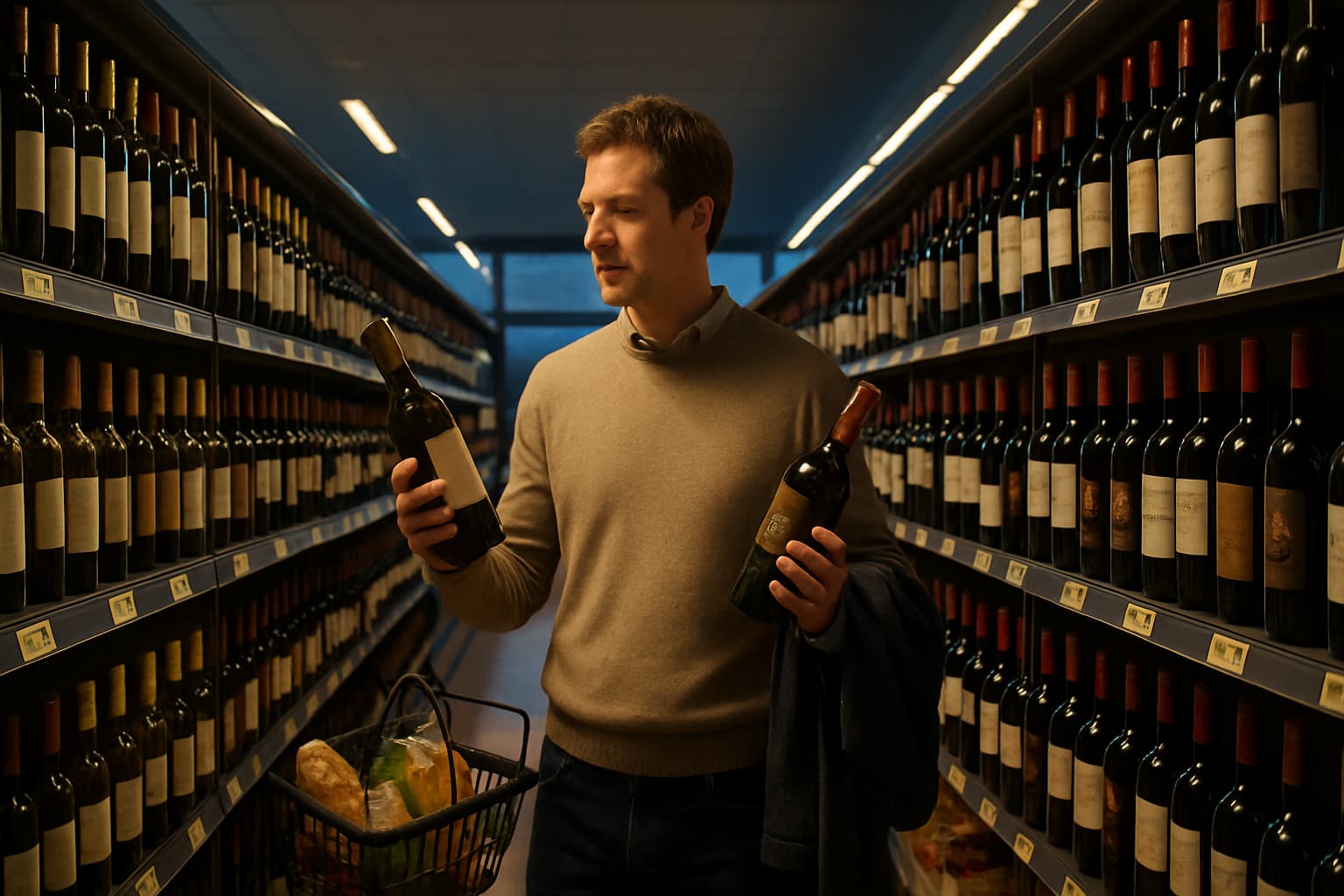
There’s a certain romance in imagining Europe’s wine market: sunburned hills, old men in berets, dusty cellars, and bottles that taste like history. But romance doesn’t pay the bills. Behind every glass of Burgundy, Prosecco, or supermarket Rioja is a brutal, unromantic reality: people deciding how much they’re willing to pay—and what they’re willing to pretend that price says about them.
This is where consumer price sensitivity and “premiumization” collide. On one side, wallets are tight. On the other, shelves are groaning under the weight of “reserve,” “icon,” “limited edition,” and “single vineyard” labels, all trying to convince you that spending more is not just okay—it’s enlightened.
Let’s walk into that mess. No white tablecloths. No score-chasing. Just the ugly, fascinating economics of how Europeans actually buy wine.
Wine is not bread. It’s not fuel. It’s not toilet paper. You don’t buy it just to survive. You buy it because it makes life a little less bleak, a little more interesting, or because you want to impress someone across the table.
That’s why wine is particularly vulnerable to two forces:
Across Europe, those two forces are wrestling in the aisle between the supermarket shelf and the discount bin. And if you listen carefully—to sales data, to supermarket promotions, to the quiet panic of small producers—you can almost hear the bones creaking.
In much of Europe, wine is still a staple. In others, it’s more of a lifestyle accessory. That difference matters.
Southern Europe (France, Italy, Spain, Portugal, Greece):
Wine is part of daily life. Historically, people drank more, at lower prices. They know what a decent table wine should cost, and they’re not easily fooled by a fancy label and a 3x markup. Price sensitivity is high because wine is a repeat purchase, not a rare treat.
Across all these regions, inflation, energy prices, and economic uncertainty are pushing consumers to think harder about what they’re getting for each euro. The old “just grab a bottle” instinct is under pressure.
Every market has a psychological “comfort zone” for everyday wine. In a lot of European supermarkets, it’s somewhere around:
Go above that, and the consumer starts asking questions:
Drop below it, and the questions are different, but just as dangerous:
Price sensitivity kicks in hardest when a bottle tries to jump a tier—when a brand that used to be safely mid-shelf suddenly starts flirting with “premium” price territory. Consumers might accept a little creep. But push too far, too fast, and they walk.
Producers, distributors, and retailers are hooked on premiumization. It’s easy to see why: margins on cheap wine are razor-thin; margins on fancy wine can be obscene.
Premiumization in Europe shows up as:
The message is always the same:
“Pay more. You’re worth it. And this bottle proves it.”
The problem? Consumers are not idiots. They might not know the pH of the soil, but they notice when the bottle looks fancier, the price jumps 40%, and the liquid inside tastes suspiciously like the cheaper one.
Premiumization works when three things line up:
When any of those cracks—like during a cost-of-living crisis—premiumization starts to look like a hustle.
The last few years have been a stress test. Energy prices up. Transport costs up. Glass more expensive. Labor shortages. Vineyards hit by frost, hail, drought, wildfires. Producers’ costs are rising from all sides.
They have two options:
Most have tried a mix of both, but there’s a limit. At some point, the price tag moves, and the consumer notices.
What happens then?
Trading down:
People don’t quit wine; they quit that wine. They drop from €15 to €8, from branded appellations to lesser-known ones, from Burgundy to Languedoc, from Champagne to Crémant or Prosecco.
Channel switching:
From restaurants to home. From independent wine shops to supermarkets. From supermarkets to discounters like Lidl and Aldi. Or to online flash sales and private-label deals.
This tension—between rising costs and finite consumer willingness to pay—is the central drama of the European wine market right now.
Walk into a European supermarket and it looks like choice overload: hundreds of labels, dozens of regions, prices from €2.50 to €25. But look closer.
Discounters like Lidl and Aldi have rewritten the rules:
This environment makes price sensitivity very visible:
Premiumization has to fight through this jungle. That’s why so many premium wines lean heavily on:
They need a reason to exist above the chaos of discounted mid-shelf blends.
A lot of premium wine isn’t about taste. It’s about identity.
Why do some people in London or Copenhagen happily drop €40 on a bottle when a €12 one would be perfectly enjoyable?
Because:
Europe’s long wine history gives premiumization a deep well of story to draw from: monks, noble families, ancient terraces, indigenous grapes, volcanic soils, maritime climates. All that narrative helps soften the blow of a higher price.
But there’s a catch: once you go too far into story without delivering real quality, consumers feel conned. And in an era where people share opinions online faster than they open a second bottle, that’s dangerous.
Not everyone plays this game with the same odds.
Likely winners:
Likely losers:
Older European consumers might still drink wine daily, loyal to certain regions, brands, or styles. They’re price-sensitive because wine is routine. They know what they like, and they know what it should cost.
Younger consumers? Different game.
For them, premiumization isn’t just about spending more. It’s about spending differently:
If the wine industry wants premiumization to stick, it has to win these people over with honesty and character, not just thicker glass and calligraphic fonts.
The European wine market is being pulled in two directions:
Price sensitivity isn’t going away. If anything, it’s getting sharper. Consumers are willing to pay more—sometimes—but they’re demanding a good reason.
For producers and regions, the message is brutal but clear:
If you want to charge more, earn it.
Better farming, better winemaking, clearer identity, real transparency.
If you want to survive at the lower end, be honest and good.
People will always need weekday wine. Make it clean, decent, and fairly priced. Don’t insult them with fake “premium” packaging on industrial juice.
For retailers and restaurants:
Stop assuming people are too dull to notice margin games.
They might not know your cost structure, but they feel when they’re being gouged.
Use premiumization as a curated experience, not a fleece job.
Help people trade up when it makes sense, not just when it fattens your bottom line.
And for the drinker:
Don’t be bullied by price.
Expensive doesn’t automatically mean better. Cheap doesn’t automatically mean trash.
Find your own sweet spot.
Maybe it’s €6 Portuguese reds, €10 Loire whites, €15 grower Champagne alternatives. There’s good wine at every price if you look past the hype.
Underneath all the noise—labels, ratings, marketing campaigns, Instagram sommeliers—wine is still just fermented grape juice. It’s supposed to bring pleasure, not anxiety. Europe’s wine market will keep playing its strange, tense game between price sensitivity and premiumization.
Your job is simple: drink what’s good, pay what feels right, and don’t let anyone convince you that your glass needs to cost more to be meaningful.
Tannins are astringent compounds found in wine that contribute to its texture and aging potential, often causing a drying or puckering sensation in the mouth. They are derived from grape skins, seeds, and stems, as well as from oak barrels used during aging.
/ˈtænɪnz/
Malic acid is a naturally occurring organic acid found in grapes that contributes to the tart, green apple-like flavor and crispness in wine. It plays a significant role in the taste and acidity of wine.
/mælɪk ˈæsɪd/
Northern and Western Europe (UK, Germany, Scandinavia, Benelux):
Wine lives closer to the “treat” category. People may drink less often but are more willing to pay a bit more per bottle—especially if it comes with a story, a rating, or a social signal. Price sensitivity still exists, but it’s more nuanced. People might stretch for a weekend bottle while ruthlessly hunting discounts for weekday drinking.
Eastern and Central Europe:
Wine is rising in status but still competes with beer and spirits. There’s a split between cheap imports and a slowly growing premium segment. Here, price sensitivity can be brutal at the lower end, but the emerging middle class is starting to flirt with premium wines as a sign of taste, success, and “modernity.”
Volume decline, value resilience:
Europeans are drinking fewer liters overall, but the value per liter is creeping up. Fewer bottles, but better bottles—or at least more expensive ones. The industry calls that a “premiumization success story.” Many consumers would call it “I just cut back.”
Filtration in winemaking is the process of removing solid particles from wine to clarify and stabilize it before bottling, using various types of filters to achieve different levels of clarity and remove unwanted elements like yeast, bacteria, and sediment.
/fɪlˈtreɪʃən/
Oxidation in wine is a chemical reaction between the wine and oxygen that can change its flavor, aroma, and color. This process can be beneficial or detrimental depending on the extent and context of the exposure.
/ˌɒksɪˈdeɪʃən/
Microclimate refers to the unique climate conditions of a small, specific area within a larger region, significantly influencing grapevine growth and the characteristics of the resulting wine.
/ˈmīkrōˌklīmit/
Get weekly wine recommendations, vineyard news, and exclusive content delivered to your inbox.