Wine Terminology
“Where every bottle tells a story”
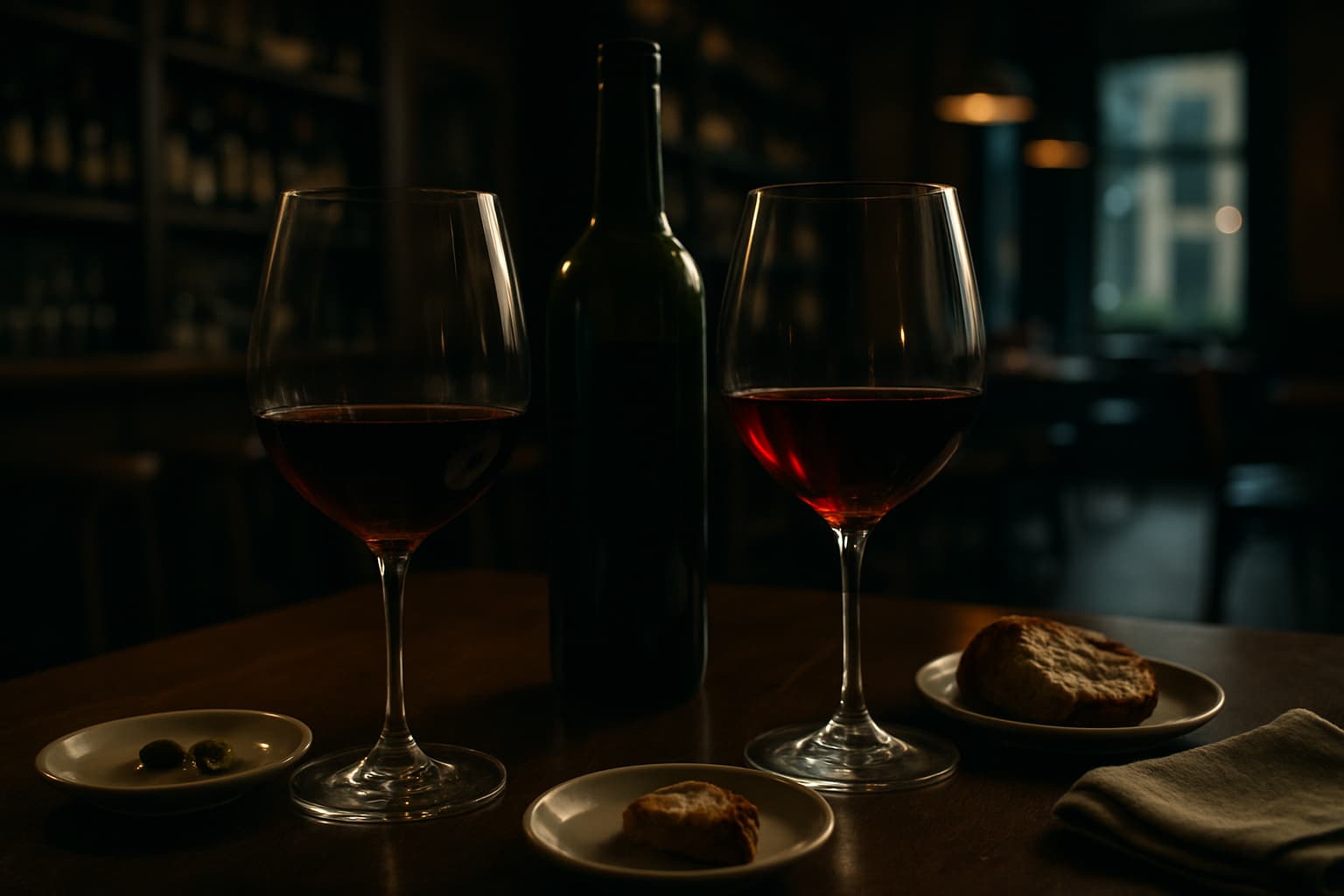
The wine sat in the glass like a tired man. It had color and weight, but no strength. You could smell the fruit, but it did not rise to meet you. It lay there. When you drank it, it filled your mouth and went nowhere. It did not stand up. It did not fight. It did not sing.
That is when you say the wine is flabby.
This is not a kind word. It is not a word a winemaker wants to hear. It is the word you use when a wine has lost its shape and its will.
In wine, “flabby” does not mean simply soft or gentle. It means a wine that is:
You drink it and it feels wide and dull. There is fruit, maybe even sweetness, but no backbone. The wine does not make you hungry. It does not make you want another sip. It just sits there, thick and lazy.
Acidity is the spine of a wine. When the spine is weak, the wine slumps. That slump is flabbiness.
You cannot understand flabby wine without understanding acidity.
Acid in wine does many things:
A wine with good acidity feels taut. It has a line that runs from the front of your tongue to the back. It makes your mouth water. It feels clean when you swallow.
A flabby wine is the opposite. It is round, but not in a good way. The edges are gone. It feels like a soft pillow that has been used too long. You sink into it and it does not push back.
When acidity is too low, the fruit tastes jammy or flat. The alcohol feels more obvious. The wine feels warm and thick, like syrup that has lost its bite.
You can see, smell, and taste flabbiness if you pay attention. It is not a mystery.
A flabby wine may smell:
There is little lift in the aromas. They do not leap from the glass. They lumber.
In your mouth, flabby wine:
A good wine has a journey. It starts somewhere and goes somewhere else. It may begin with fruit, then show earth or spice, then finish with a clean, dry snap.
A flabby wine is more like a puddle. You step in it, and that is all.
The finish of a flabby wine is often:
You do not feel refreshed. You feel coated.
Wines do not become flabby by accident alone. There are reasons. They are simple and hard, like most truths.
Grapes in hot places ripen fast. Sugar rises. Acidity falls. If the grower waits too long to pick, the grapes become very ripe, sometimes too ripe.
High sugar means higher alcohol after fermentation. Low acid means less freshness. Put them together and you get:
This is the perfect ground for flabbiness. The wine feels heavy and ripe, but slack. There is power, but no discipline.
Even in warm regions, careful winemakers can avoid flabby wines. But if they chase ripeness without restraint, or softness without tension, they can push the wine over the line.
Common causes in the cellar include:
The result is a wine that may taste impressive in the first sip—rich, smooth, generous—but tires you by the second glass.
Some grape varieties are more prone to flabbiness if not handled with care:
When you build a style around softness and richness, you must be twice as careful to keep structure. Otherwise, the wine becomes all cushion and no bone.
Not all big or gentle wines are flabby. The word is specific, and it is a judgment.
A full-bodied wine can be powerful and still sharp:
These wines are big, but they stand tall. The weight is carried on a strong frame.
Some wines are meant to be soft, especially:
Soft wines can still have enough acidity to feel balanced. They are gentle, but not lazy. They refresh. They do not slump.
Soft becomes flabby when:
Then the word fits: flabby.
You do not need fancy words. You need attention and a clear mouth.
Take a sip and hold it.
Feel if the wine moves or just sits. Good wines travel. Flabby wines pool.
Notice your mouthwatering.
After you swallow, do you salivate? If not at all, or very little, the acidity may be low.
Does it end clean and dry, or heavy and warm? A dragging, thick finish can signal flabbiness.
Food is where flabby wines show their weakness most clearly.
Food has fat, salt, and protein. Acid in wine cuts through them. It cleans the palate. It makes each bite feel new.
A flabby wine has little acid. With food, it can:
Instead of sharpening the meal, it smears it.
There are rare times when a slightly flabby wine may pass:
But even then, a wine with proper balance will usually do better. The truth is simple: flabbiness is a flaw more than a style.
Good winemakers know the danger. They work against it.
They can:
They try to make wines that are ripe but not swollen, soft but not slack, generous but still firm.
You are not helpless in front of the shelf or the list. There are signs.
Wine is not just a drink. It is tension held in liquid. It is the pull between fruit and acid, sweetness and dryness, power and restraint. When that tension is lost, the wine is only a shadow of what it could be.
Flabby wine is wine that has given up the fight. It has warmth but no edge, body but no bone. It fills the glass and the mouth, but not the mind.
You remember the wines with nerve—the ones that stand straight and clear, that cut through a piece of meat or a plate of olives, that wake you up and make you think of the land they came from.
To know the word “flabby” is to know what you do not want in your glass. It is a hard word, but a useful one. It reminds you that good wine, like a good life, needs structure. It needs something firm at the center to hold all the richness in place.
Tannins are astringent compounds found in wine that contribute to its texture and aging potential, often causing a drying or puckering sensation in the mouth. They are derived from grape skins, seeds, and stems, as well as from oak barrels used during aging.
/ˈtænɪnz/
Malic acid is a naturally occurring organic acid found in grapes that contributes to the tart, green apple-like flavor and crispness in wine. It plays a significant role in the taste and acidity of wine.
/mælɪk ˈæsɪd/
Think of food.
Do you want to eat something with it? Wines with good acidity make you hungry. Flabby wines often do not.
There’s a moment, when you pour a glass of wine, that feels almost indecently intimate. The bottle tips, the liquid arcs, and then—before you even bring the glass to your lips—you give it that little...
Filtration in winemaking is the process of removing solid particles from wine to clarify and stabilize it before bottling, using various types of filters to achieve different levels of clarity and remove unwanted elements like yeast, bacteria, and sediment.
/fɪlˈtreɪʃən/
Oxidation in wine is a chemical reaction between the wine and oxygen that can change its flavor, aroma, and color. This process can be beneficial or detrimental depending on the extent and context of the exposure.
/ˌɒksɪˈdeɪʃən/
Microclimate refers to the unique climate conditions of a small, specific area within a larger region, significantly influencing grapevine growth and the characteristics of the resulting wine.
/ˈmīkrōˌklīmit/
Get weekly wine recommendations, vineyard news, and exclusive content delivered to your inbox.
-e4b2322f.webp&w=3840&q=75)
-012baf26.webp&w=3840&q=75)