Wine Terminology
“Where every bottle tells a story”
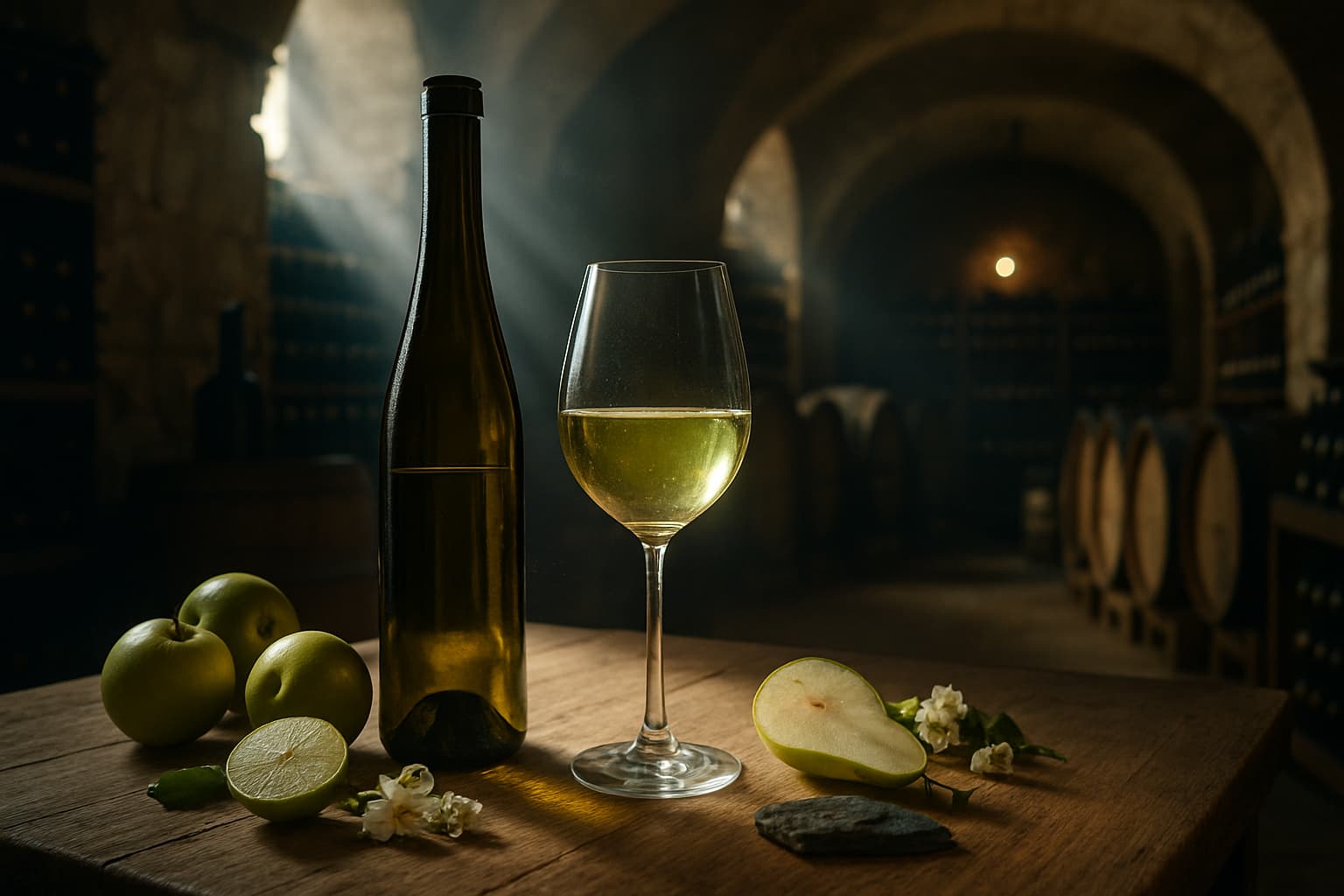
There’s a moment, when you pour a glass of pale, shimmering Riesling, that time seems to slow down. The light catches the wine, a soft green-gold, and you wonder how something so delicate can hold so much character. Somewhere behind that quiet beauty is a word—small, German, and often misunderstood: Kabinett.
Let’s walk through what that word really means, where it comes from, and why it matters every time you raise that glass.
Say it softly: “Kah-bih-NET.”
It sounds almost like a secret, and in a way, it is.
Kabinett is a German wine classification—one of the traditional Prädikat levels used to describe the ripeness of the grapes at harvest. But to think of it as just a technical label is to miss the soul of the story. Kabinett is more than a number on a chart. It’s a style. A feeling. A philosophy of balance and restraint.
In a world that often celebrates bigger, bolder, stronger, Kabinett stands for something else: grace.
Long before barcodes and modern labels, wine was stored in cool, dark rooms—vaulted cellars and special spaces reserved for the best barrels. In German, these rooms were called “Cabinets” or “Kabinette”—places where the finest, most carefully chosen wines were kept apart from the everyday stock.
Over time, the word slipped from the cellar wall onto the bottle itself. By the 18th century, “Cabinet” wines were understood to be of superior quality: wines worthy of being set aside, cherished, and aged.
In 1971, Germany reformed its wine laws, and the term was given a new, official meaning. Kabinett became the entry level of the Prädikatswein system—a legal category based on the natural sugar level of the grapes at harvest, not on sweetness in the finished wine.
So the word that once meant “the best in the cabinet” evolved into something more precise, but it never quite lost its original spirit of quiet distinction.
To understand Kabinett, we have to see where it sits on the German Prädikat ladder. The system ranks wines by the ripeness of grapes at harvest, expressed in degrees of must weight (measured in °Oechsle):
Kabinett sits at the gateway. It’s the first step into the world of high-quality, naturally ripe German wines, yet it doesn’t shout. It whispers.
For Kabinett, the legal must weight generally falls in a relatively modest range (the exact numbers vary by region and grape), but the idea is simple:
The grapes are ripe, but not overripe. They’re harvested at a point where acidity is still bright, the fruit is pure, and the wine can be made light, refreshing, and precise.
If you’ve never tasted Kabinett, imagine walking through an orchard on a cool morning, the air carrying scents of:
Most Kabinett wines, especially Riesling Kabinett, are known for:
This is where many people get confused. They see Kabinett and assume it means “sweet.” But Kabinett is not a sweetness level—it’s a ripeness category. The winemaker decides how much of that natural grape sugar is fermented into alcohol and how much remains as residual sugar.
You might encounter:
The key is balance. The best Kabinett wines don’t feel sugary. They feel juicy, refreshing, and weightless, the sweetness woven into a web of acidity and minerality.
In many corners of the wine world, power is prized: high alcohol, dense fruit, heavy oak. Wines that announce themselves before you even raise the glass.
Kabinett is the opposite of that. It is the art of restraint.
Because the grapes aren’t pushed to extreme ripeness, Kabinett wines often finish with lower alcohol. This creates:
In regions like the Mosel, where steep slate slopes catch the sun and reflect it back onto the vines, Kabinett Rieslings can be astonishingly complex despite their light frame. Notes of lime, green apple, and slate come together in a way that feels both ethereal and deeply grounded.
If Kabinett has a signature, it’s this: that almost magical tension between gentle sweetness and razor-sharp acidity.
Imagine biting into a perfectly ripe green apple—sweet, yes, but also tart, refreshing, alive. That’s the kind of energy Kabinett can carry, especially when it’s made with meticulous care.
This balance is why Kabinett ages so gracefully. Over time, a good bottle can develop:
And yet the wine rarely grows heavy. It simply becomes more layered, more contemplative.
While Kabinett is a legal term used in Germany and, in a similar sense, Austria, it is most famously associated with German Riesling.
While Riesling is the star, Kabinett can also be made from other grapes:
Yet when most wine lovers whisper “Kabinett,” they’re thinking of Riesling, especially from cooler, slate-rich valleys.
A well-made Kabinett is not just a wine—it’s a partner at the table, and a very forgiving one at that.
Because of its acidity, lightness, and (often) touch of sweetness, Kabinett pairs beautifully with:
Kabinett is a reminder that wine doesn’t have to be heavy to be serious, nor bone-dry to be food-friendly. Its versatility is one of its quiet strengths.
German wine labels can look like puzzles at first glance. But once you know what to look for, the code begins to crack.
Key terms you might see:
If you’re seeking that gently sweet, classic style, look for Kabinett without “trocken” on the label, especially from regions like the Mosel. If you want something crisper and drier, look for “Kabinett trocken.”
Beneath the technical definitions and legal frameworks, Kabinett carries a quieter message about how we approach wine—and maybe life itself.
It reminds us that:
In a marketplace that often chases higher alcohol, riper fruit, and louder flavors, Kabinett stands as a kind of gentle protest. It offers an experience that is refreshing, contemplative, and enduring.
It doesn’t need to dominate the room. It’s content to sit beside you, patient and luminous, waiting for you to notice the details.
If you’ve ever thought of white wine as something simple, fleeting, or unremarkable, Kabinett is an invitation to reconsider.
It is:
Whether you’re just beginning to explore wine or you’ve walked this path for years, Kabinett offers something rare: complexity without heaviness, depth without weight, joy without excess.
So the next time you see that word on a label, remember the story behind it—a story that begins in cool, dark cellars, passes through laws and language, and ends in the quiet moment when you lift the glass to your lips.
Some wines shout.
Kabinett doesn’t have to.
It simply speaks, clearly and calmly, to anyone willing to listen.
Tannins are astringent compounds found in wine that contribute to its texture and aging potential, often causing a drying or puckering sensation in the mouth. They are derived from grape skins, seeds, and stems, as well as from oak barrels used during aging.
/ˈtænɪnz/
Malic acid is a naturally occurring organic acid found in grapes that contributes to the tart, green apple-like flavor and crispness in wine. It plays a significant role in the taste and acidity of wine.
/mælɪk ˈæsɪd/
There’s a moment, when you pour a glass of wine, that feels almost indecently intimate. The bottle tips, the liquid arcs, and then—before you even bring the glass to your lips—you give it that little...
Filtration in winemaking is the process of removing solid particles from wine to clarify and stabilize it before bottling, using various types of filters to achieve different levels of clarity and remove unwanted elements like yeast, bacteria, and sediment.
/fɪlˈtreɪʃən/
Oxidation in wine is a chemical reaction between the wine and oxygen that can change its flavor, aroma, and color. This process can be beneficial or detrimental depending on the extent and context of the exposure.
/ˌɒksɪˈdeɪʃən/
Microclimate refers to the unique climate conditions of a small, specific area within a larger region, significantly influencing grapevine growth and the characteristics of the resulting wine.
/ˈmīkrōˌklīmit/
Get weekly wine recommendations, vineyard news, and exclusive content delivered to your inbox.
-e4b2322f.webp&w=3840&q=75)
-012baf26.webp&w=3840&q=75)