Wine Tasting
“Where every bottle tells a story”
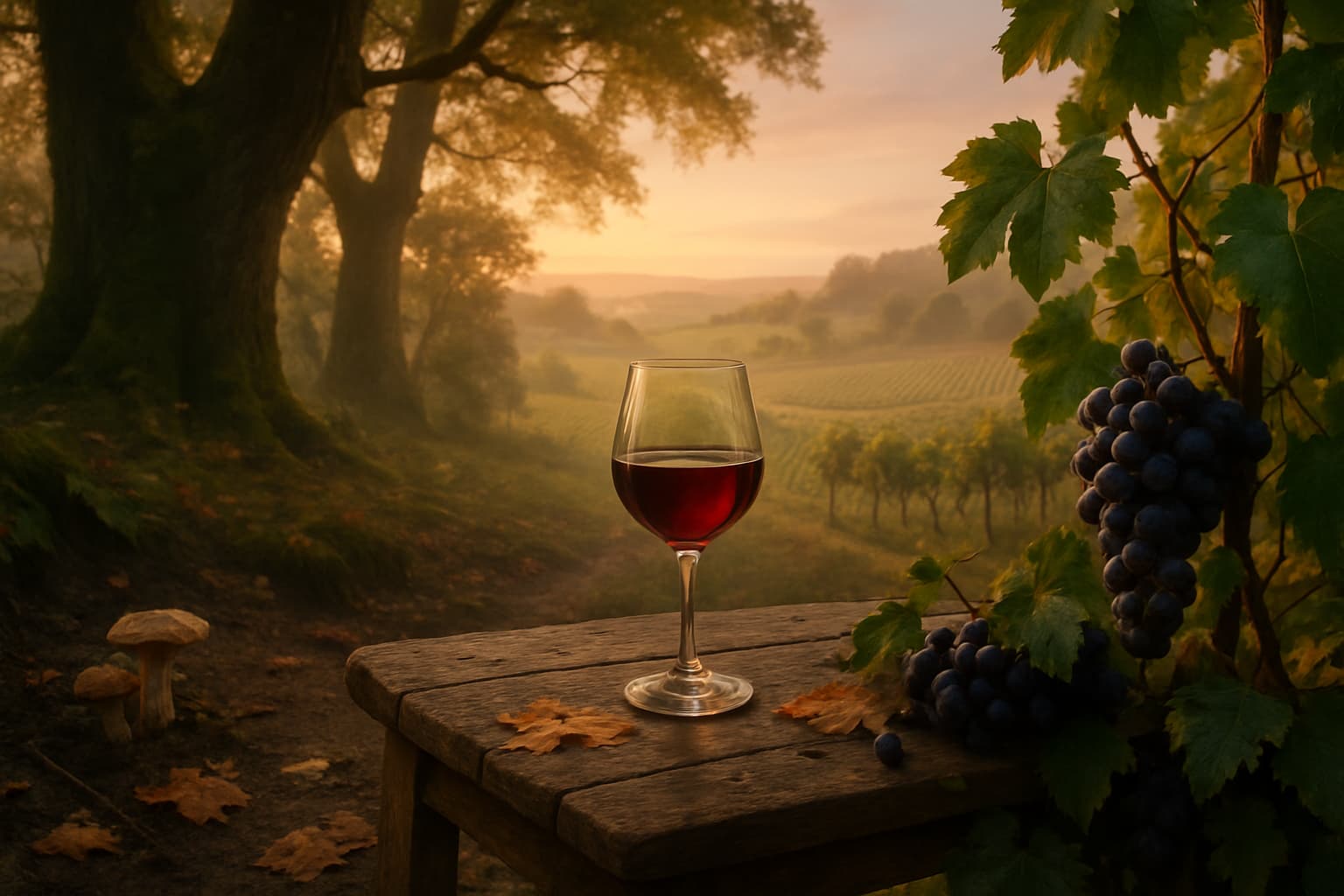
Imagine, if you will, wandering through an ancient forest at dawn, where the air is thick with the scent of damp earth, fallen leaves, and the quiet mystery of nature's cycles. This essence captures the world of Burgundy wines, especially their elusive earthy aromas that whisper stories of time and place. As someone who has spent years unraveling the tales hidden in a glass of wine, I invite you to join me on this journey, where every sip reveals not just flavors, but the soul of the land itself. Burgundy, that storied region of France, has long served as a canvas for the earth's artistry, painting its wines with hues of soil and season that captivate the senses and stir the imagination.
To truly appreciate these earthy notes, we must first understand their foundation. Burgundy wines, sourced from the vineyards of eastern France, are celebrated for their purity and expression, often emerging from the limestone-rich soils of the Côte d'Or and surrounding areas. Here, the earth does not merely support the vines; it infuses them with a character that is as profound as it is subtle. Earthy aromas—such as those of damp mushrooms, forest floor, or the musty allure of wet autumn leaves—are not accidents; they result from a delicate interplay between grape, soil, and climate. In my experience, these scents evoke a sense of groundedness, reminding us that wine is more than a beverage; it is a bridge to the natural world, a liquid philosophy that anchors us in the present while echoing the past.
Delving deeper into terroir, the French concept that embodies the unique spirit of a place, we uncover the philosophical heartbeat of Burgundy winemaking. Terroir is far more than a buzzword; it is the essence of what makes these wines distinctive. Picture rolling hills where the soil varies from chalky limestone in the north to clay and marl in the south, each variation influencing the vines in ways that both scientists and poets seek to describe. The climate, with its continental fluctuations—cool springs that encourage bud break and warm summers that promote ripening—plays a crucial role. This is where the magic unfolds: fungi in the soil, minerals from ancient seabeds, and even microorganisms on the grape skins contribute to these earthy profiles. For example, in the red wines of the Côte de Nuits, Pinot Noir grapes absorb the essence of iron-rich soils, translating into aromas that might evoke a forest after rain. It is a nuanced dance that underscores a deeper truth: wine is an expression of its environment, a testament to our connection with the earth.
The key grape varieties that bring these aromas to life are Pinot Noir and Chardonnay, which reign supreme in Burgundy. Pinot Noir, a finicky and elegant grape, is perhaps the most poetic embodiment of earthiness. Grown on limestone-laden slopes, it develops complexities that evolve with age. Young vintages may highlight red fruit notes, but over time, earthy undertones emerge—such as mushroom, truffle, or even a hint of barnyard that some may find off-putting, though connoisseurs value it as a sign of authenticity. This subtlety often goes overlooked: oxidation and barrel aging amplify these notes, transforming a simple wine into a narrative of change. Chardonnay, meanwhile, while celebrated for its crisp acidity and fruit-forward profiles elsewhere, adopts a more subdued, earthy character in Burgundy, particularly in the cooler climates of Chablis. There, the wine might carry undertones of wet stones or chalk, reflecting the fossil-rich soils that hint at ancient oceans. These grapes are not merely varieties; they are storytellers, with each bottle representing a chapter in the ongoing saga of human interaction with the land.
When tasting these wines, consider the art of sensory engagement. Swirl a glass of a premier cru Burgundy, such as a Gevrey-Chambertin Pinot Noir, and inhale deeply. The earthy aromas may emerge first—a rich, loamy scent that transports you to a misty vineyard at harvest. To fully appreciate this, pair it with complementary foods, like roasted game or earthy mushrooms, which enhance the flavors through a synergy of the senses. Tasting notes are not just lists; they are invitations to reflect. For instance, that mushroom note might nod to the forest floor where the grapes grew or whisper of the winemaker's philosophy, emphasizing minimal intervention to let the terroir shine. In Burgundy, the winemaking process is a study in restraint, often involving wild yeast ferments and extended lees contact, which preserve and amplify these natural elements. This approach echoes centuries-old traditions, dating back to medieval monks who first mapped these vineyards, recognizing that the earth's gifts should be honored, not overpowered.
No discussion of earthy aromas would be complete without addressing the nuances that elevate Burgundy wines to legendary status. There is a philosophical layer here, viewing wine as a mirror to life's impermanence. These aromas, fleeting and ever-changing, remind us that nothing remains static; a wine tasted today will evolve tomorrow, much like our own experiences shape us. For example, the difference between a village-level wine and a grand cru can be striking: the former offers approachable earthiness, while the latter layers it with complexity, demanding patience and contemplation. Climate change adds another dimension, as warming temperatures alter traditional profiles, challenging winemakers to adapt while preserving the essence of place. This is the gravitas of Burgundy—it is not just about the wine, but about stewardship, legacy, and the interplay of human ingenuity and natural forces.
In pairing these wines, we discover another layer of enjoyment. Earthy Burgundy wines complement foods that echo their origins, such as pâté en croûte with its savory depth or a simple roast chicken that allows the wine's nuances to shine. The key is balance; the earthiness should enhance, not dominate. For novice tasters, begin with an accessible option like a Bourgogne Rouge, which provides gentle earthy notes without the intensity of more prestigious labels. As you explore further, navigate the hierarchy of Burgundy's appellations—from regional wines to the exalted grands crus—and let each glass impart new insights. Remember, tasting is personal; what one perceives as "earthy" might evoke memories of a childhood walk in the woods for another, adding emotional depth to the experience.
As we conclude this journey, reflect on the enduring allure of Burgundy's earthy aromas. They remind us that wine is more than a drink; it is a conduit for connection—to the earth, to history, and to ourselves. In a fast-paced world, these wines encourage us to slow down, savor the subtleties, and appreciate the profound simplicity of nature's gifts. The next time you hold a glass of Burgundy, let its earthy whispers transport you to that ancient forest, leaving you with a deeper sense of wonder for the stories within every bottle. Ultimately, the true magic of wine lies not in the glass, but in the shared experiences it inspires.
Tannins are astringent compounds found in wine that contribute to its texture and aging potential, often causing a drying or puckering sensation in the mouth. They are derived from grape skins, seeds, and stems, as well as from oak barrels used during aging.
/ˈtænɪnz/
Malic acid is a naturally occurring organic acid found in grapes that contributes to the tart, green apple-like flavor and crispness in wine. It plays a significant role in the taste and acidity of wine.
/mælɪk ˈæsɪd/
Filtration in winemaking is the process of removing solid particles from wine to clarify and stabilize it before bottling, using various types of filters to achieve different levels of clarity and remove unwanted elements like yeast, bacteria, and sediment.
/fɪlˈtreɪʃən/
Oxidation in wine is a chemical reaction between the wine and oxygen that can change its flavor, aroma, and color. This process can be beneficial or detrimental depending on the extent and context of the exposure.
/ˌɒksɪˈdeɪʃən/
Microclimate refers to the unique climate conditions of a small, specific area within a larger region, significantly influencing grapevine growth and the characteristics of the resulting wine.
/ˈmīkrōˌklīmit/
Get weekly wine recommendations, vineyard news, and exclusive content delivered to your inbox.