Wine Tasting
“Where every bottle tells a story”
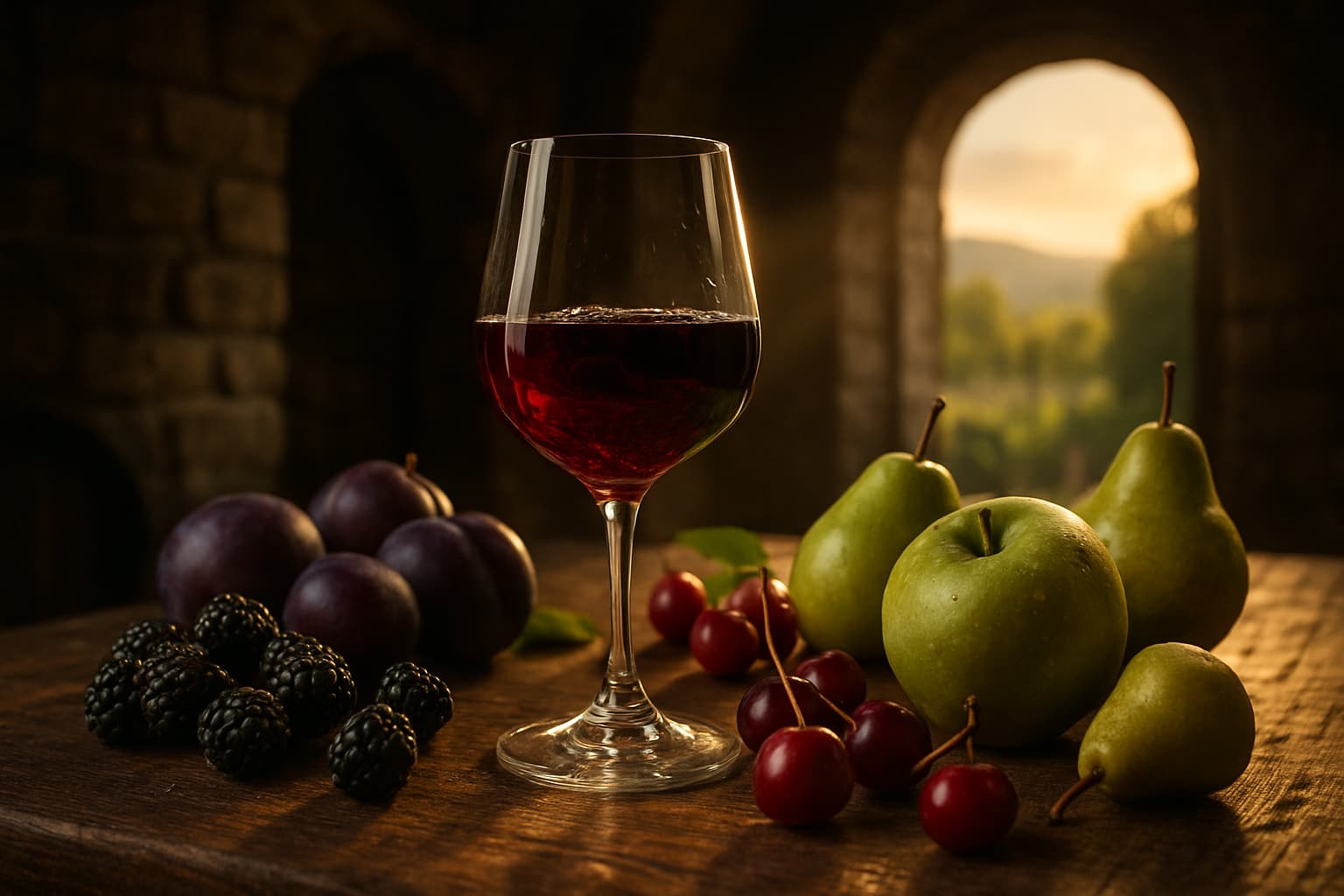
In the dim light of a stone cellar, a glass waits, holding wine from ancient European vines. Taste it and feel the fruit come alive on your tongue. This is where we begin—with the raw, unfiltered truth of flavors hidden in every sip. European wines carry the secrets of the earth, born from sun-kissed soil and centuries of tradition. Identifying these flavors requires skill, a steady hand, and a willingness to look beyond the surface. Here, we focus on the essentials: the facts, the tastes, and their deeper meanings.
First, understand the foundation beneath your feet. Wine tasting demands attention and focus; it's not for the faint-hearted. Start with the basics: hold the glass up to the light, swirl it gently, and observe the legs trickling down the sides. These wines hail from regions like France, Italy, and Spain, where grapes have been pressed for centuries. Each area imprints its unique character through terroir—the interplay of soil, climate, and time. For instance, a Cabernet from Bordeaux might burst with bold blackcurrant notes, while a Chianti from Tuscany whispers of tart cherries. To identify these flavors, train your senses: smell first, then taste, and let the fruit reveal its story.
Consider the reds, which often carry profound depth. In France's Bordeaux, dominant grapes like Merlot and Cabernet Sauvignon yield dark, forest-like fruits: blackberries, plums, and cassis. Shaped by Atlantic winds that cool the vines, these flavors are rugged and concentrated. Further south, in the Rhône Valley, Syrah offers raspberries and blueberries with a subtle spice, evoking the honest toil of workers under the sun. These tastes are more than flavors; they echo history, from Roman plantings to monastic care, now alive in your glass.
Venture south to Italy, where wines reflect the region's fiery passion. Sangiovese in Chianti delivers bright, acidic red cherries, reminiscent of Tuscany's rolling hills. Nebbiolo from Piedmont brings strawberries and raspberries, tempered by gripping tannins that mirror the towering mountains. In Spain, Tempranillo from Rioja presents black cherries and plums, born from dry, harsh soils and resilient old vines that endure droughts. These fruits are tough and memorable, much like the landscapes that produce them.
Whites, too, hold their own intriguing secrets. In Germany's Mosel region, Riesling offers crisp green apples and pears, influenced by cold river flows and steep slopes. The result is a clean, precise taste that cuts through like a knife. In France's Burgundy, Chardonnay yields apples and citrus with added depth from chalky soils, introducing minerality that enhances complexity. These flavors are subtle whispers, not bold shouts—requiring you to swirl the wine, inhale deeply, and sip slowly to uncover their layers.
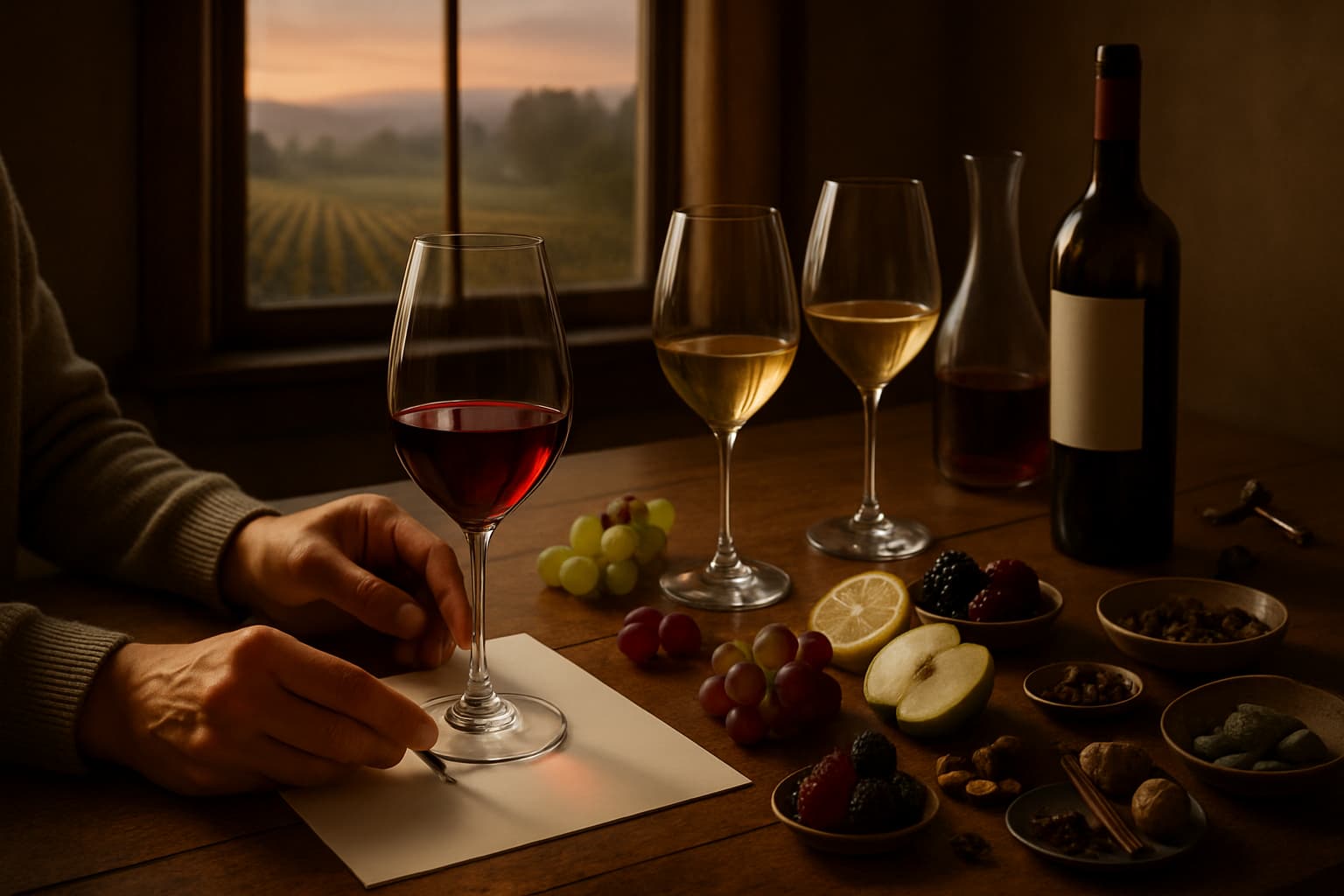
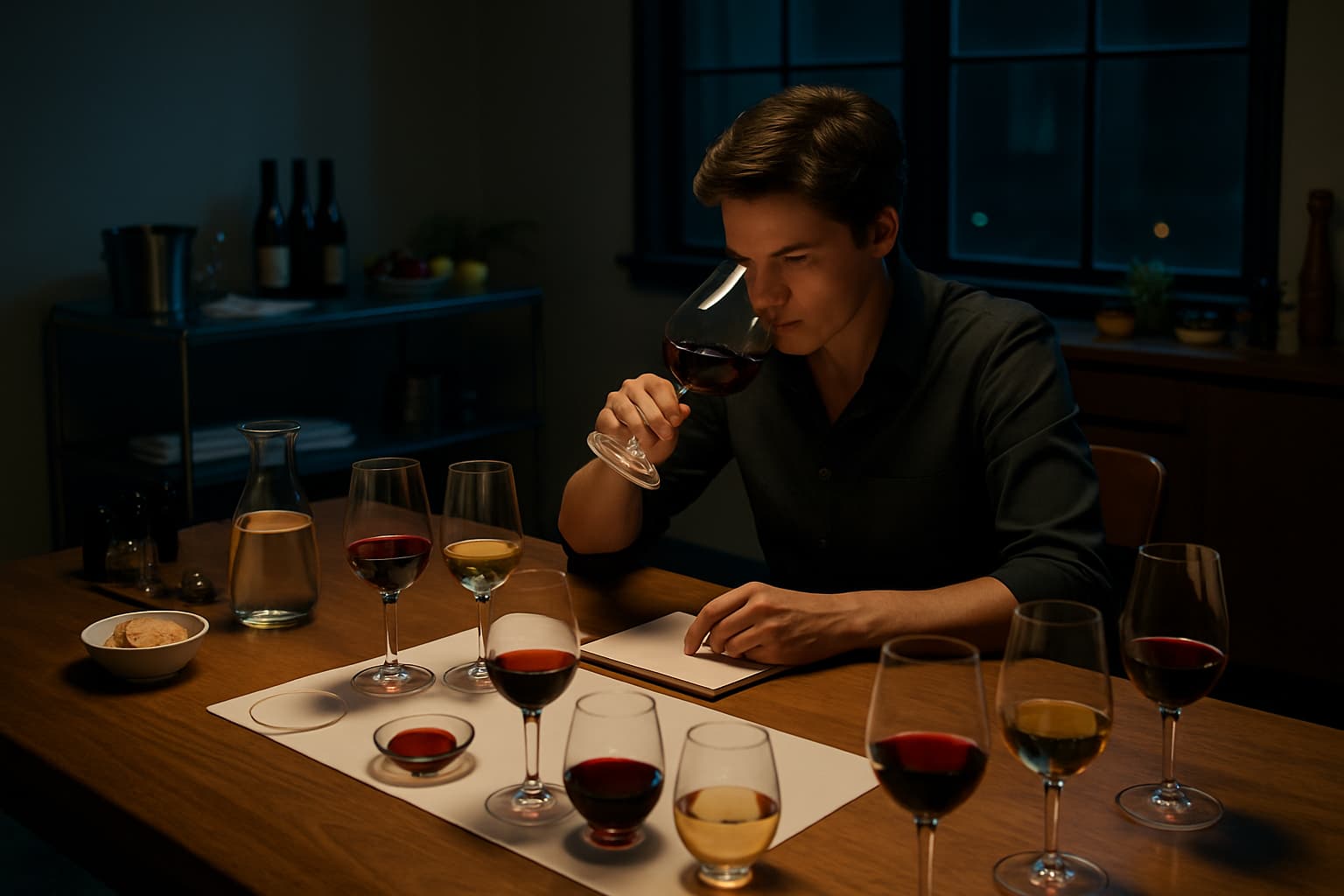
To identify these flavors effectively, practice is key. Pour a glass—not too full—and hold it steady. Begin with the color: a deep red may suggest dark fruits, as in a robust Bordeaux, while a pale yellow could indicate lighter notes in an Alsace white. Next, smell deeply—what aromas emerge? The bright scent of strawberries from an Italian Barbera, perhaps, or the earthy undertones of blackberries in a Spanish red? Jot it down, as words help anchor your observations. Then, taste: let the wine roll over your tongue. Is the fruit primary, straight from the grape, or secondary, shaped by fermentation? Age matters too—young wines burst with fresh fruits, while older ones evolve into dried figs or stewed plums. This nuance distinguishes a novice from a true connoisseur.
Pairing elevates the experience, as food can amplify these flavors. A fruit-forward wine deserves a thoughtful companion: pair Chianti's cherry notes with pasta to cut through the sauce, or match Bordeaux's blackcurrant with steak to enhance its richness. For whites, Riesling's apple flavors shine alongside seafood, where the wine's acidity refreshes the palate like rain on parched earth. These combinations are rooted in tradition, as European culture has long intertwined wine and food. A meal without wine feels incomplete, but choose pairings wisely to avoid muting the fruits' vibrant voices.
Ultimately, wine tasting is about connection—to the land, the past, and human endeavor. European wines bear the weight of centuries, with flavors that reflect the farmer's struggle against the elements. In a Chardonnay from Burgundy, you taste the sun, rain, and resilience behind that apple note. As in Hemingway's world, wine strips life to its core. By identifying the fruits—blackberries from Bordeaux, cherries from Chianti, apples from the Mosel—you uncover something profound: the essence of place and time.
In the end, it all comes down to this: raise your glass, savor the fruit, and let it linger. European wines offer an entire world in a single sip. These flavors are real and tangible, etched into the soil and preserved through history. With practice, you'll discover it's not about pretension or elaborate terminology—it's about the pure, evocative truth of what the earth provides. Explore it, and your palate will thank you, revealing why these wines have endured for generations.
Tannins are astringent compounds found in wine that contribute to its texture and aging potential, often causing a drying or puckering sensation in the mouth. They are derived from grape skins, seeds, and stems, as well as from oak barrels used during aging.
/ˈtænɪnz/
Malic acid is a naturally occurring organic acid found in grapes that contributes to the tart, green apple-like flavor and crispness in wine. It plays a significant role in the taste and acidity of wine.
/mælɪk ˈæsɪd/
Filtration in winemaking is the process of removing solid particles from wine to clarify and stabilize it before bottling, using various types of filters to achieve different levels of clarity and remove unwanted elements like yeast, bacteria, and sediment.
/fɪlˈtreɪʃən/
Oxidation in wine is a chemical reaction between the wine and oxygen that can change its flavor, aroma, and color. This process can be beneficial or detrimental depending on the extent and context of the exposure.
/ˌɒksɪˈdeɪʃən/
Microclimate refers to the unique climate conditions of a small, specific area within a larger region, significantly influencing grapevine growth and the characteristics of the resulting wine.
/ˈmīkrōˌklīmit/
Get weekly wine recommendations, vineyard news, and exclusive content delivered to your inbox.