Wine Tasting
“Where every bottle tells a story”
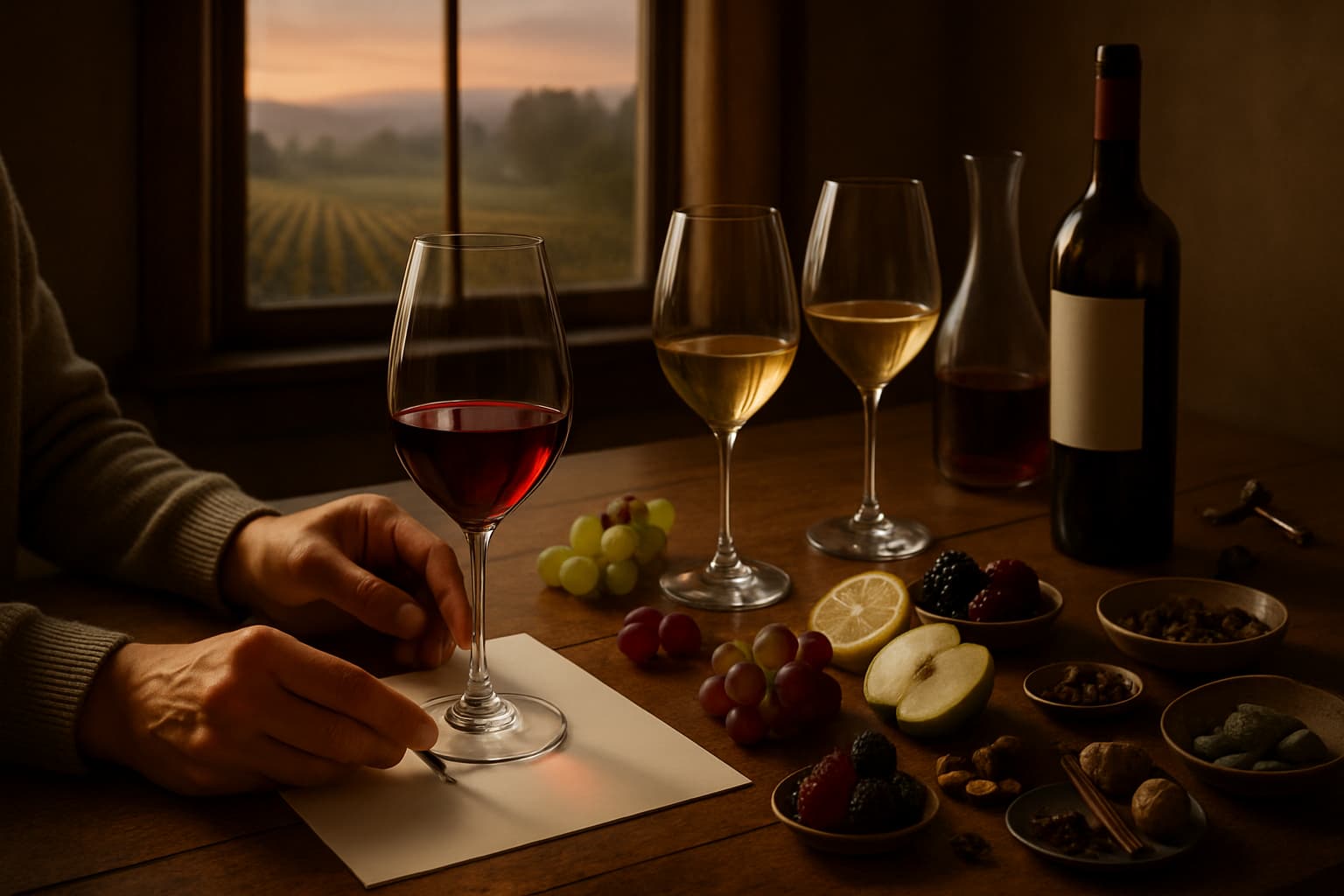
Ladies and gentlemen, hold onto your corkscrews, because we're diving headfirst into the exhilarating world of wine tasting, where every sip offers a psychedelic journey through vibrant vineyards and explosive flavors that can either delight or overwhelm your senses. This is the wild art of assessing wine flavor profiles—a blend of science, sorcery, and pure adventure. Imagine me, your enthusiastic guide, perched on the edge of a rickety table in a dimly lit cantina, holding a glass of ruby-red mystery in one hand and a wine-stained notebook in the other. We're going to uncork this topic like a '67 Cabernet, revealing the raw depths and hidden nuances that transform wine tasting from a simple hobby into an existential thrill. So, buckle up, you intrepid wine enthusiasts, as we explore techniques that will elevate your palate from a casual observer to a fearless connoisseur.
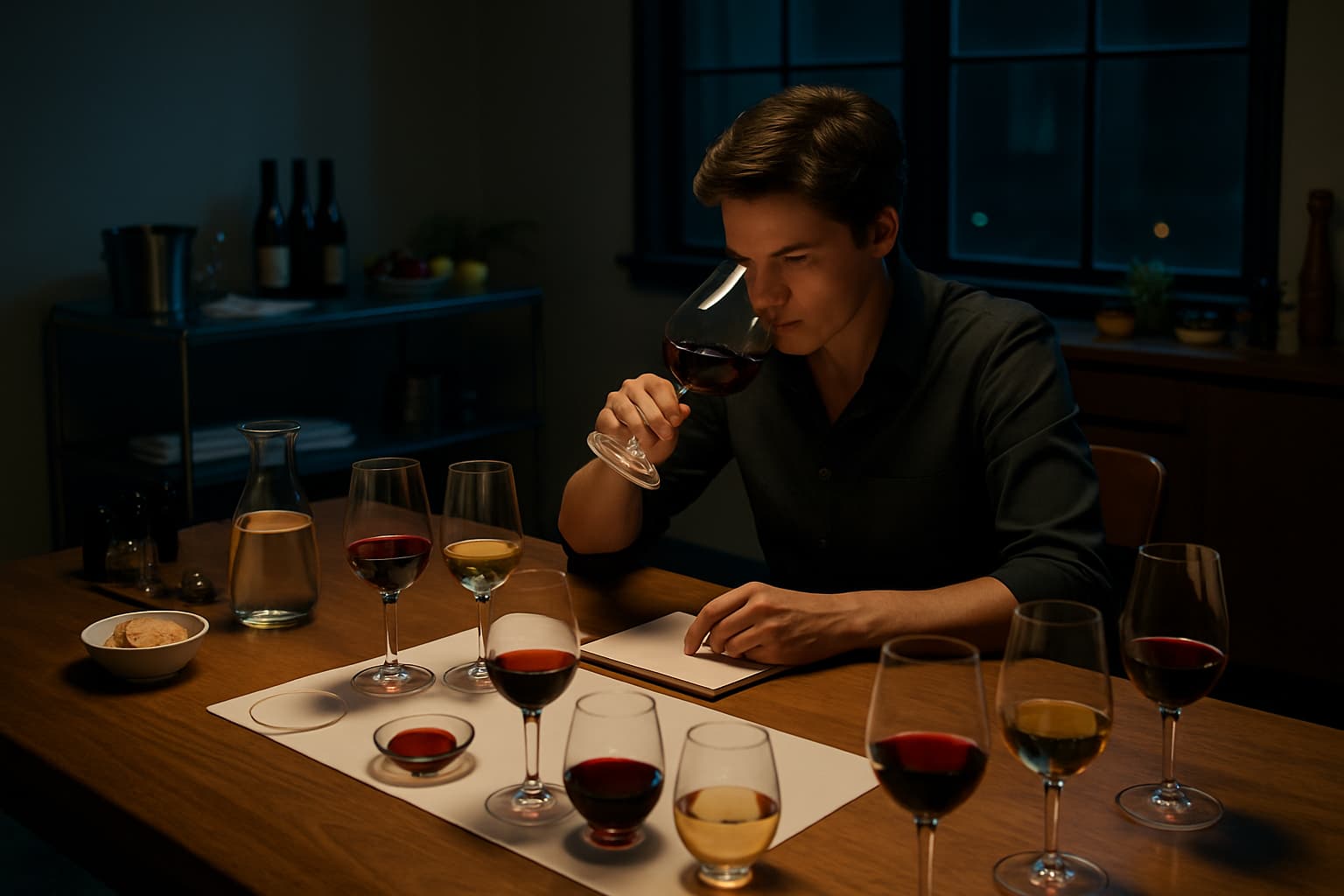
First, let's be clear: assessing wine flavor profiles is not for the timid. It's an intense assault on your senses, a whirlwind of aromas and tastes that can evoke sun-drenched hillsides or expose the flaws of a subpar vintage. I recall my first serious tasting in the heart of Napa, where the air was heavy with the scent of fermented grapes and unfulfilled aspirations. The key to success is preparation. Don't approach this unprepared; instead, tune your senses like a precision instrument. Clear your palate by drinking water, nibbling on a neutral cracker, and avoiding strong flavors like coffee, garlic, or cigarettes. This sets the stage, allowing you to detect even the faintest hints of fruit and earth beneath the bolder notes of oak and alcohol.
Next, begin with the visual inspection—your first line of defense. When you pour the wine into your glass, examine it like a detective at a crime scene. Hold the glass up to the light and swirl it gently to observe the color and clarity. A young red might display a vibrant purple, suggesting fresh berries and youthful energy, while an aged white could show a golden hue, hinting at honeyed richness and maturity. Beyond the obvious, consider the emotions these visuals stir; that deep crimson might transport you to a stormy night in Bordeaux, where resilient grapes weathered the elements. Don't forget the "legs"—those trails left on the glass after swirling—which indicate alcohol content and body, like echoes of past vintages revealing texture and richness. Subtle details matter too; a slight haze could signify unfiltered purity or a potential flaw, making all the difference in your tasting experience.
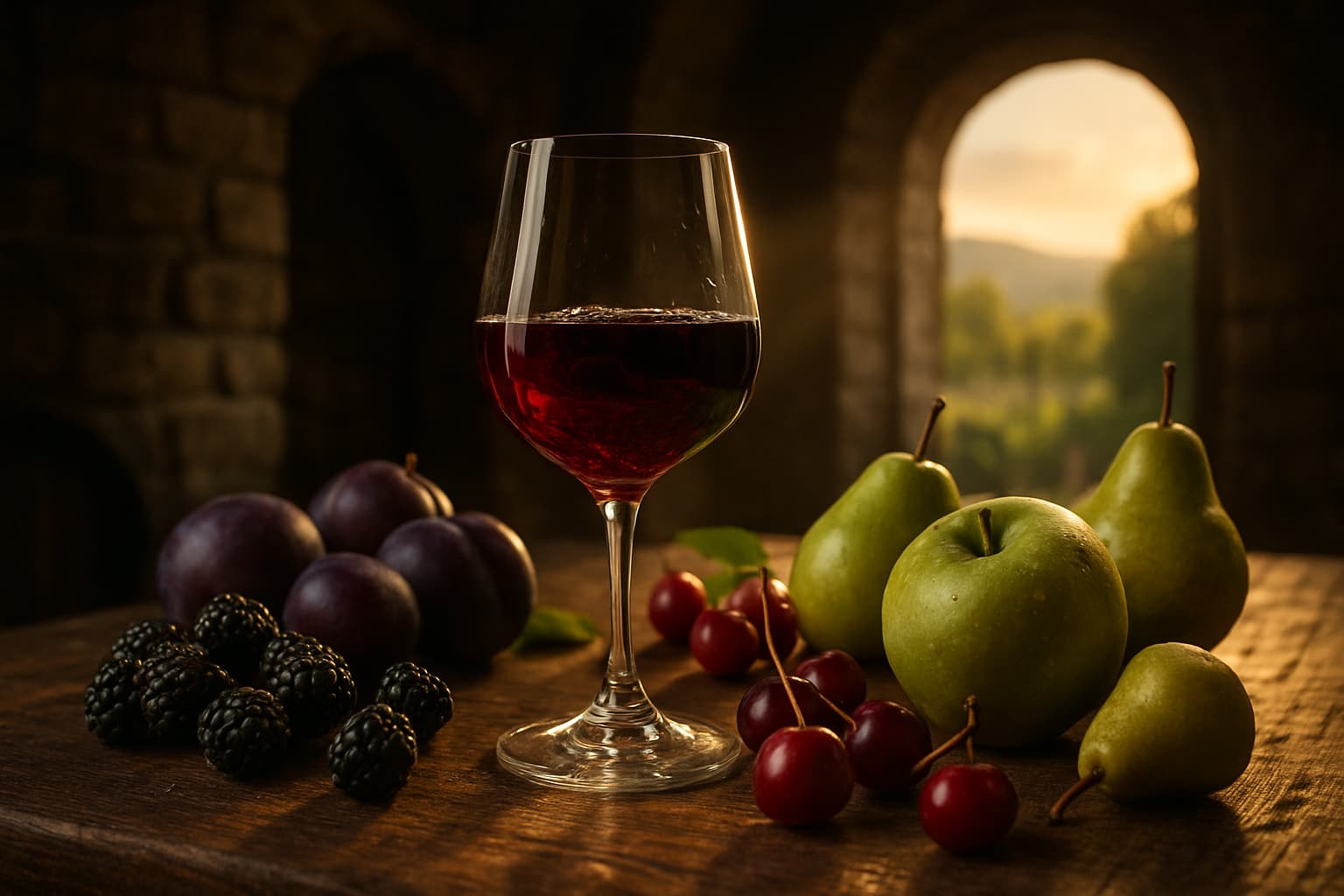
Once you've analyzed the visuals, prepare for the olfactory adventure—sniffing out aromas with the intensity of a bloodhound. Dive your nose into the glass and inhale deeply, not with polite restraint, but with unbridled passion. Wine aromas are a complex tapestry, categorized into primary, secondary, and tertiary notes. Primary aromas derive directly from the grape, such as crisp apple in a Chardonnay or blackberry in a Zinfandel—raw and straightforward, as if the fruit had just been plucked from the vine. Secondary aromas arise from fermentation and aging, like buttery diacetyl or earthy oak influences, turning a simple sip into a profound reflection on nature and craftsmanship. Tertiary aromas, the sophisticated outliers, develop with time, offering notes of leather, tobacco, or even a petrol-like edge in a Riesling, which may seem eccentric but adds poetic depth. To unlock these, swirl the glass to aerate the wine, but be cautious—over-swirling can overwhelm you, much like overthinking a high-stakes decision. In my experiences, wines have shifted from floral bouquets to damp cellars in an instant, reminding us that every aroma carries the essence of its origin, from sunny valleys to misty coasts.
If you've survived the aromas, it's time for the main event: the tasting itself, a rollercoaster for your palate. Take a sip and swish it around your mouth, exploring the dynamic interplay of sweetness, acidity, tannins, and body. Start with the initial attack on your tongue—is it sharp and acidic, like a zesty Sauvignon Blanc that awakens your senses, or smooth and sweet, like a late-harvest Sauternes that offers comforting warmth? Acidity provides structure, preventing the wine from feeling flat, while tannins in reds create a gripping, textured finish that can be either pleasing or challenging. Body refers to the wine's weight; a light Pinot Noir might feel delicate and airy, whereas a full-bodied Cabernet Sauvignon commands attention with its presence. Layer in the subtleties, such as fruit flavors of cherry or plum, blended with spices or minerals that echo the soil's character. In my adventures, certain wines have transported me to ancient landscapes, where flavors whisper tales of history and human endeavor, reminding us that wine is more than a beverage—it's a reflection of life's complexities.
No tasting is complete without evaluating the finish and overall impression, the lingering echoes that define the experience. The finish is the wine's final act, the flavors that persist after you've swallowed. Is it brief and ephemeral, like a fleeting encounter, or long and evolving, unfolding layers of tobacco and spice in a well-aged Barolo? Note the aftertaste—does it refresh and cleanse, or does it linger unpleasantly? This stage highlights nuances like alcohol warmth, enduring acidity, or softening tannins, teaching patience and appreciation. In tasting sessions I've attended, a single glass has sparked debates about cultural influences, such as how a Chianti captures Italy's rustic heritage or a Shiraz embodies Australia's bold spirit. Ultimately, the finish ties everything together, turning flavor assessment into a storytelling experience that connects us to the winemaker's journey and the earth's generosity.
Of course, mastering this requires awareness of advanced tips and common pitfalls. Avoid errors like tasting in a stuffy room that traps odors or letting preconceived notions, such as a fancy label, sway your judgment—I've seen experts fooled by bias. Try blind tastings to eliminate expectations, or experiment with food pairings, like matching a robust red with steak to enhance flavors and create culinary magic. Above all, trust your instincts; in the unpredictable realm of wine, the boundary between expertise and intuition is as delicate as a Merlot's skin.
In conclusion, as I reflect on this vinous voyage with an empty glass and a mind full of memories, assessing wine flavor profiles is far more than a set of techniques—it's a thrilling odyssey that engages your senses and spirit. We've explored the visuals, aromas, tastes, and philosophies, emerging with greater insight. So, grab a bottle, embrace the adventure, and remember: it's not just about the wine, but the stories it tells and the passions it ignites. Cheers to the journey—may your palate always seek new horizons. (Word count: 1189)
Tannins are astringent compounds found in wine that contribute to its texture and aging potential, often causing a drying or puckering sensation in the mouth. They are derived from grape skins, seeds, and stems, as well as from oak barrels used during aging.
/ˈtænɪnz/
Malic acid is a naturally occurring organic acid found in grapes that contributes to the tart, green apple-like flavor and crispness in wine. It plays a significant role in the taste and acidity of wine.
/mælɪk ˈæsɪd/
Filtration in winemaking is the process of removing solid particles from wine to clarify and stabilize it before bottling, using various types of filters to achieve different levels of clarity and remove unwanted elements like yeast, bacteria, and sediment.
/fɪlˈtreɪʃən/
Oxidation in wine is a chemical reaction between the wine and oxygen that can change its flavor, aroma, and color. This process can be beneficial or detrimental depending on the extent and context of the exposure.
/ˌɒksɪˈdeɪʃən/
Microclimate refers to the unique climate conditions of a small, specific area within a larger region, significantly influencing grapevine growth and the characteristics of the resulting wine.
/ˈmīkrōˌklīmit/
Get weekly wine recommendations, vineyard news, and exclusive content delivered to your inbox.