Wine Tourism
“Where every bottle tells a story”
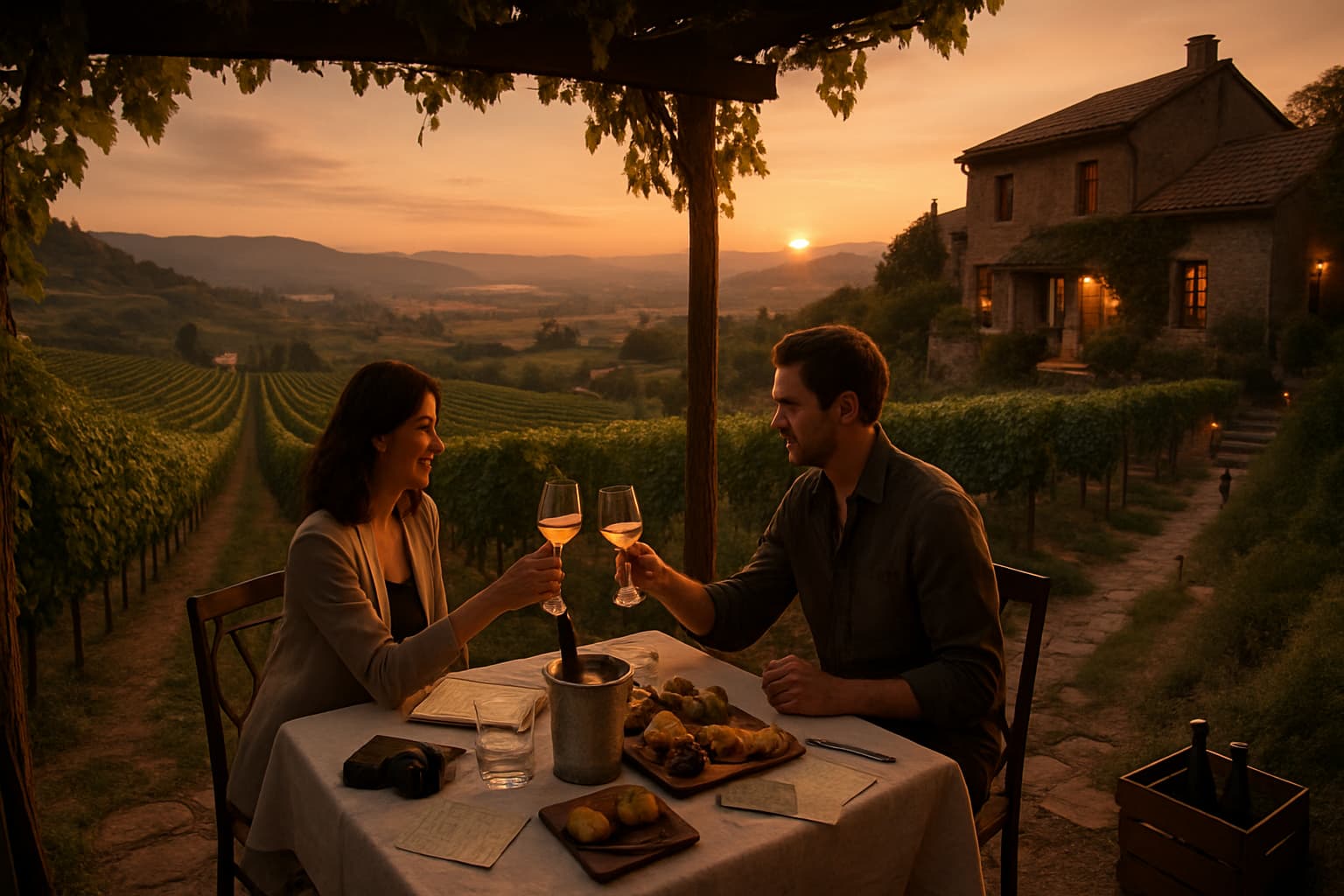
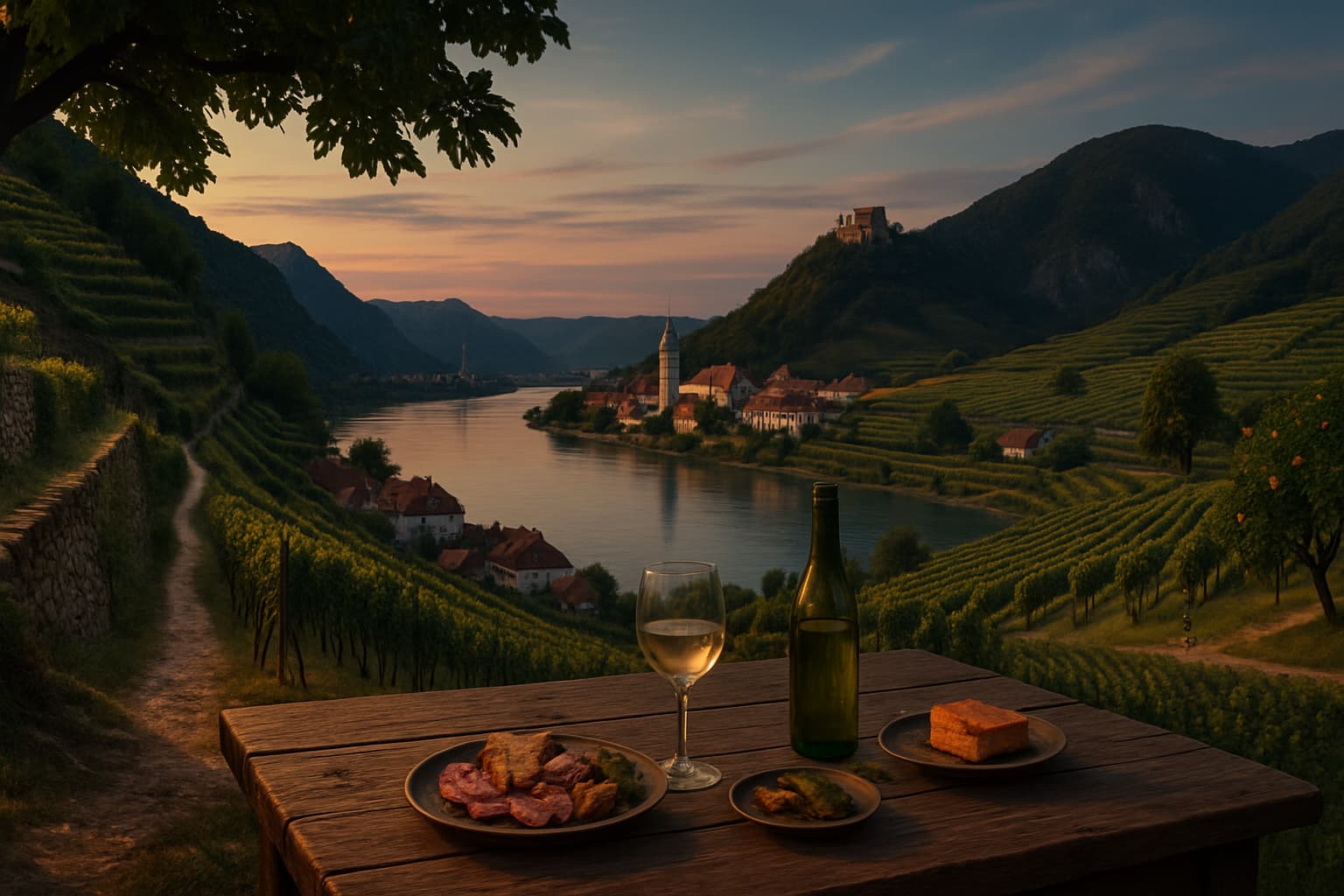
There are some journeys you plan with your head, and some you plan with your appetite. A wine trip, if you let it, is planned with both—but led, always, by the senses. Think of it less as “booking a holiday” and more as composing a long, slow, delicious meal in which the landscape is the tablecloth, the vineyards the centrepiece, and every glass a course in its own right.
Planning a wine tourism trip is not about ticking off as many wineries as you can in a day, like a slightly tipsy to-do list. It’s about giving yourself the time and space to taste, to linger, to be seduced—by the light, the soil, the stories, and yes, the wine. So pour yourself a glass (purely for research, of course) and let’s plan a trip worthy of your palate.
Before you start clicking through flight comparison sites, ask yourself: what sort of pleasure are you seeking?
Once you know the flavour of experience you’re after, choosing a region becomes less overwhelming and far more delicious.
Wine regions, like wines, have personalities. Some are grand and theatrical; others are shy, rustic, and quietly unforgettable.
Old World (Europe and beyond): Think Bordeaux, Burgundy, Champagne, Tuscany, Rioja, the Douro. These are places where tradition hangs in the air like the scent of old barrels. You’ll find:
Neither is “better”; they’re simply different moods. One is like a velvet-draped opera house, the other a sunlit jazz bar.
If you already have a love affair with certain wines, let that be your compass.
Let your favourite bottle at home act as a postcard from the place it came from. Where did it grow up? Who made it? That’s your starting point.
Wine regions are like people: they show different sides of themselves in different seasons.
Harvest (usually late summer to early autumn, depending on the hemisphere and region) is when vineyards are at their most alive:
But harvest is also busy. Some wineries may not offer full tours, and accommodation books up early. If you want the romance of harvest, plan well in advance and accept that not everything will be leisurely.
In spring, vineyards are all tender green and promise:
Early summer can be glorious: long days, warm evenings, and the chance to sip something chilled on a terrace that seems to hover between vines and sky.
In colder months, vines are bare, but there is a different kind of beauty:
If you love the idea of being cocooned—glass in hand, stew on the table, rain on old stone walls—winter can be deeply, sensually satisfying.
The greatest mistake in wine travel is over-scheduling. A wine trip should feel like a slow-cooked braise, not a stir-fry.
A gentle rule of thumb:
You might plan, for example:
Remember: you are not there to conquer the region. You are there to let it seep into you, glass by glass.
Many wineries now require reservations, especially smaller, family-run estates. Before you go:
This gives you a full spectrum of the region’s personality, from stately to bohemian.
Your bed, on a wine trip, should be more than just a place to collapse; it’s part of the pleasure.
Many regions offer agriturismi, wine lodges, or chambres d’hôtes right on the estate:
These stays can be surprisingly affordable and deeply atmospheric.
Staying in a nearby town or village:
Look for places that celebrate local producers: blackboards listing nearby wineries, shelves of regional bottles, menus that read like love letters to local farmers.
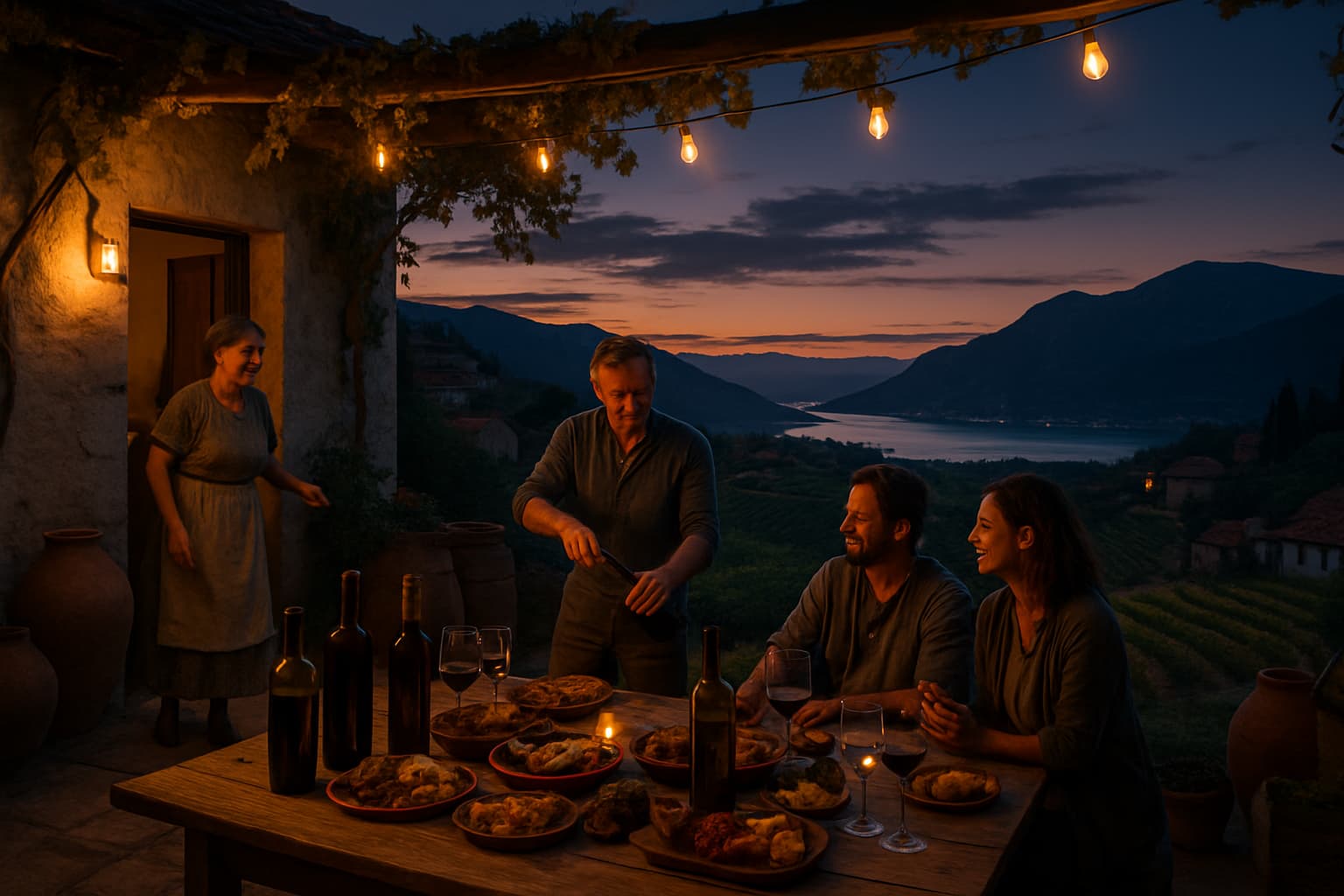
Wine without food is like a story without context. The true magic lies in pairing what’s in your glass with what’s on your plate.
Every wine region has dishes that seem almost genetically designed to go with its wines:
Ask locals: “What should I eat with this?” You’ll discover recipes and combinations that may change how you cook at home.
A practical and pleasurable strategy:
This way, you can enjoy daytime tastings without feeling overwhelmed, and evenings become gentle rather than overindulgent.
Wine and driving are not natural bedfellows, and no vintage tastes as good as safety feels.
If you do drive:
In some regions, cycling tours can be heavenly—but again, moderation is key. A bicycle basket filled with cheese and bread is charming; wobbling through traffic after six tastings is not.
There is no exam at the end of your trip. You don’t have to “know” anything to enjoy wine. But a little attention turns each sip into a small revelation.
Let the tasting be a conversation, not a lecture. You are not there to impress; you are there to be delighted.
Inevitably, you’ll want to bring bottles home—liquid souvenirs of places and moments.
When you finally uncork them at home, do more than just pour. Remember where you were when you first tasted that wine: the colour of the sky, the smell of the cellar, the particular laugh of the person who poured it. Wine is memory, bottled.
A wine tourism journey doesn’t end when you hand back the rental car or zip up your suitcase. If you’ve planned it with care—and allowed yourself to be seduced by slowness, by flavour, by place—it will stay with you.
You’ll find yourself, months later, chopping onions for a simple supper, and suddenly you’re back in that hillside restaurant, the clink of glasses around you, the hum of another language in the background. You’ll open a bottle from that tiny producer whose dog greeted you at the gate, and with the first swirl, the whole landscape rises up in your kitchen.
That is what you are really planning when you plan a wine tourism trip: not just days in a calendar, but future moments of remembered pleasure. So choose your region as you would choose a bottle—thoughtfully, with a sense of anticipation. Give yourself time to taste, to talk, to wander. And then let the journey, like a great wine, unfold slowly, revealing new layers long after the last drop is gone.
Tannins are astringent compounds found in wine that contribute to its texture and aging potential, often causing a drying or puckering sensation in the mouth. They are derived from grape skins, seeds, and stems, as well as from oak barrels used during aging.
/ˈtænɪnz/
Malic acid is a naturally occurring organic acid found in grapes that contributes to the tart, green apple-like flavor and crispness in wine. It plays a significant role in the taste and acidity of wine.
/mælɪk ˈæsɪd/
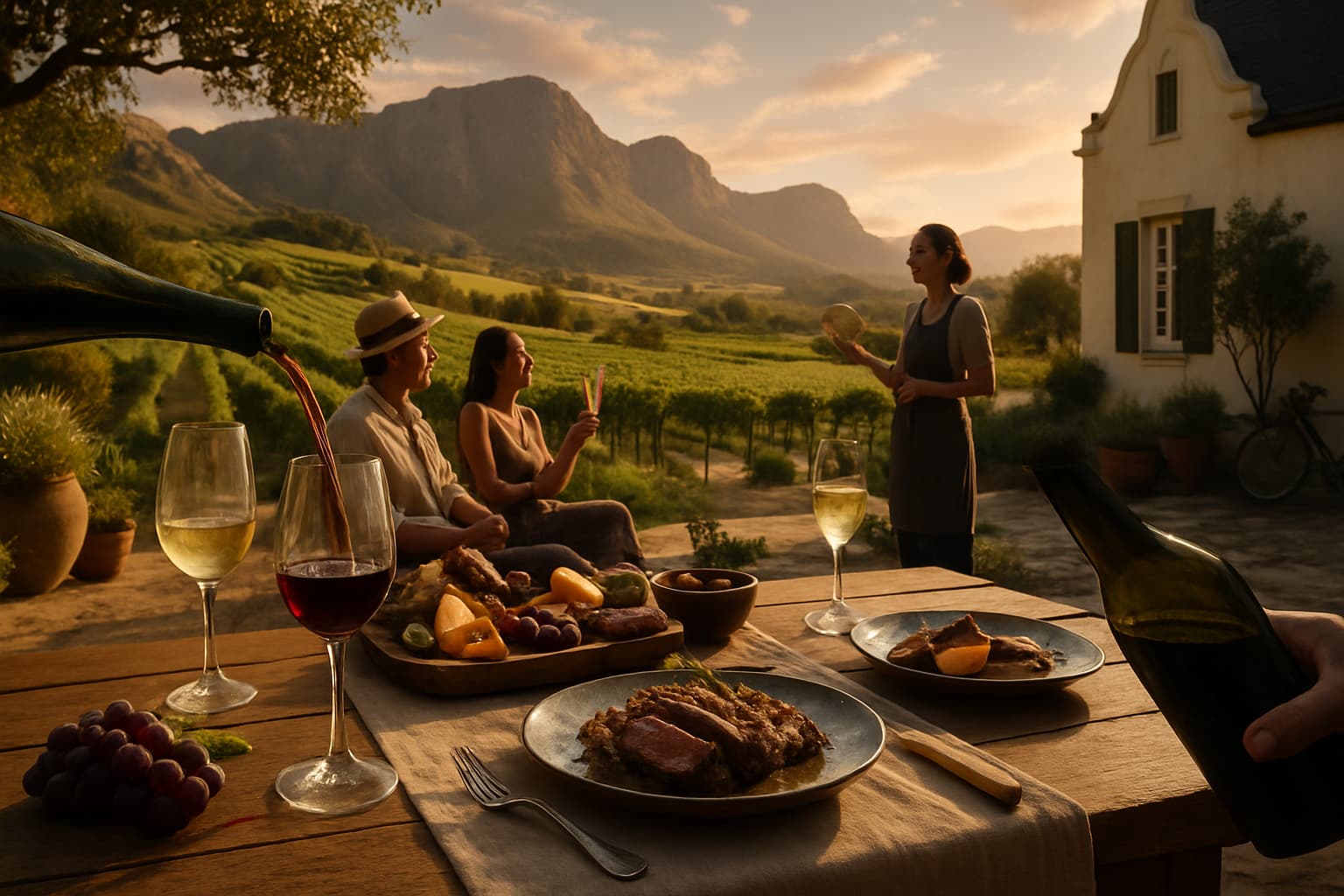
New World (Americas, Australasia, South Africa, etc.): Here you have Napa and Sonoma, Barossa and Margaret River, Marlborough, Stellenbosch, Mendoza.
Filtration in winemaking is the process of removing solid particles from wine to clarify and stabilize it before bottling, using various types of filters to achieve different levels of clarity and remove unwanted elements like yeast, bacteria, and sediment.
/fɪlˈtreɪʃən/
Oxidation in wine is a chemical reaction between the wine and oxygen that can change its flavor, aroma, and color. This process can be beneficial or detrimental depending on the extent and context of the exposure.
/ˌɒksɪˈdeɪʃən/
Microclimate refers to the unique climate conditions of a small, specific area within a larger region, significantly influencing grapevine growth and the characteristics of the resulting wine.
/ˈmīkrōˌklīmit/
Get weekly wine recommendations, vineyard news, and exclusive content delivered to your inbox.