Wine Tourism
“Where every bottle tells a story”
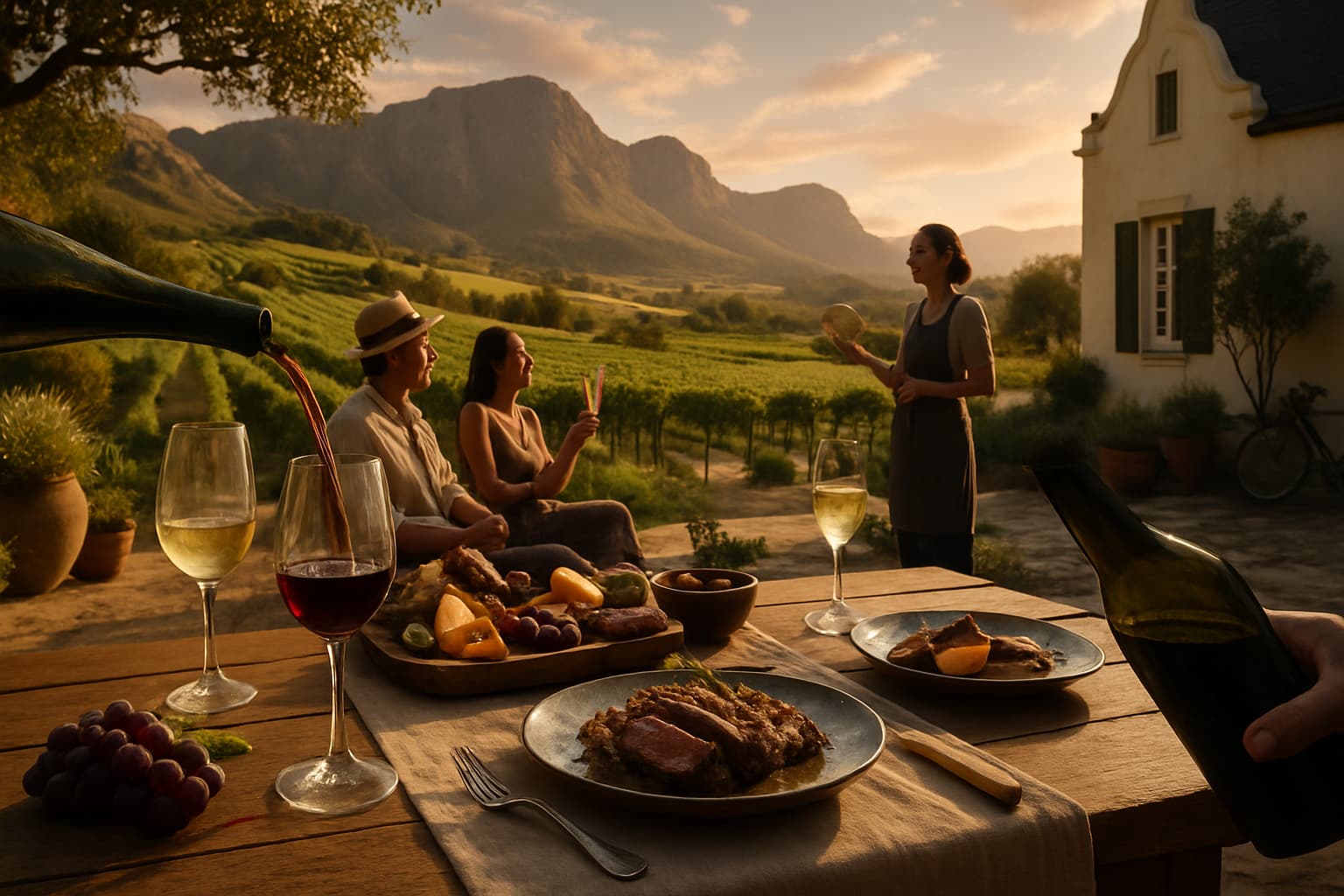
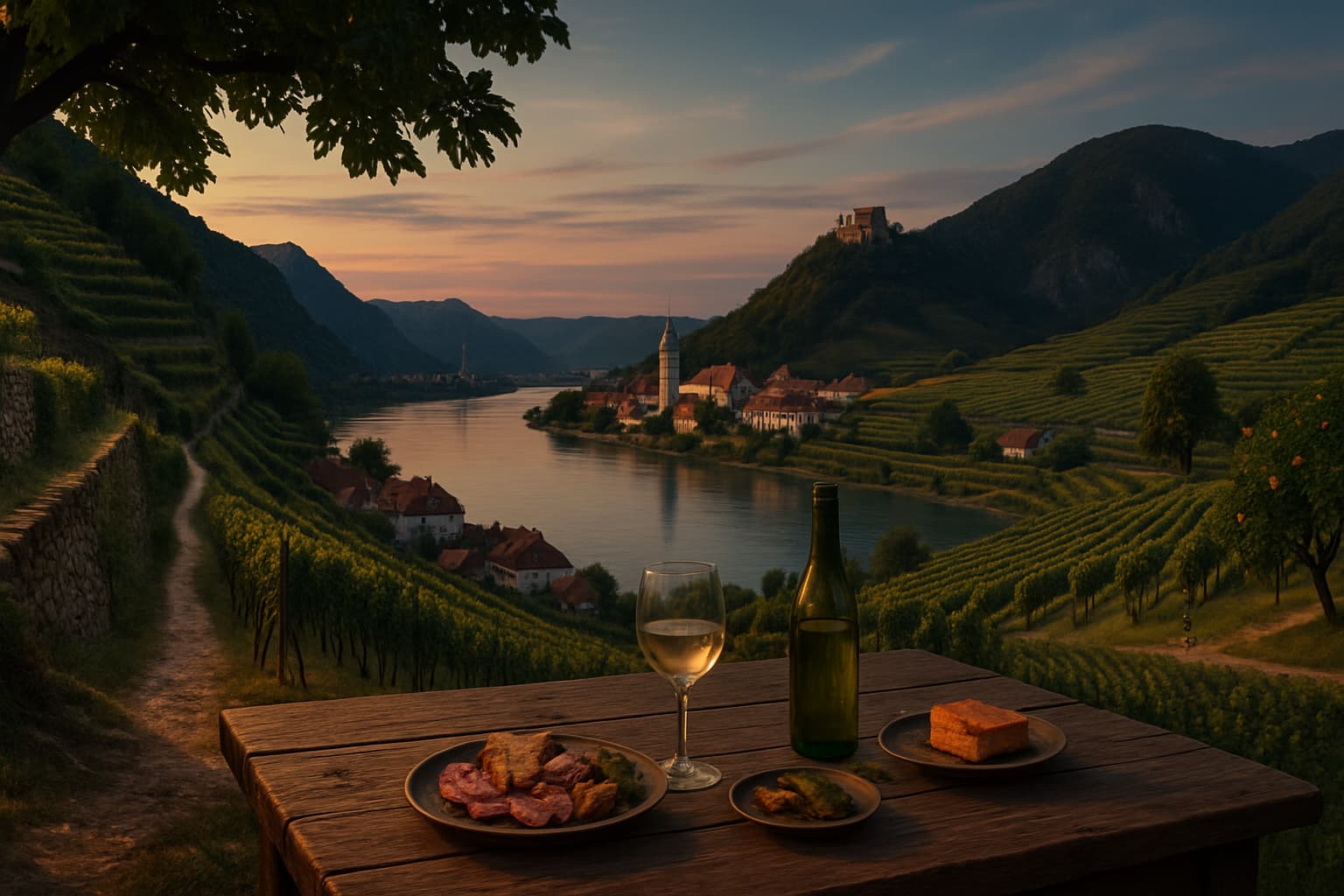
Oh, what a marvelous adventure we’re about to have together—pack your curiosity, a sturdy pair of walking shoes, and a hearty appetite, because the Balkans are one of the most delightfully underrated wine playgrounds on earth. Think rugged mountains, sun-warmed coastlines, ancient vineyards clinging to hillsides, and wines with names you may not yet be able to pronounce—but will certainly want to drink again.
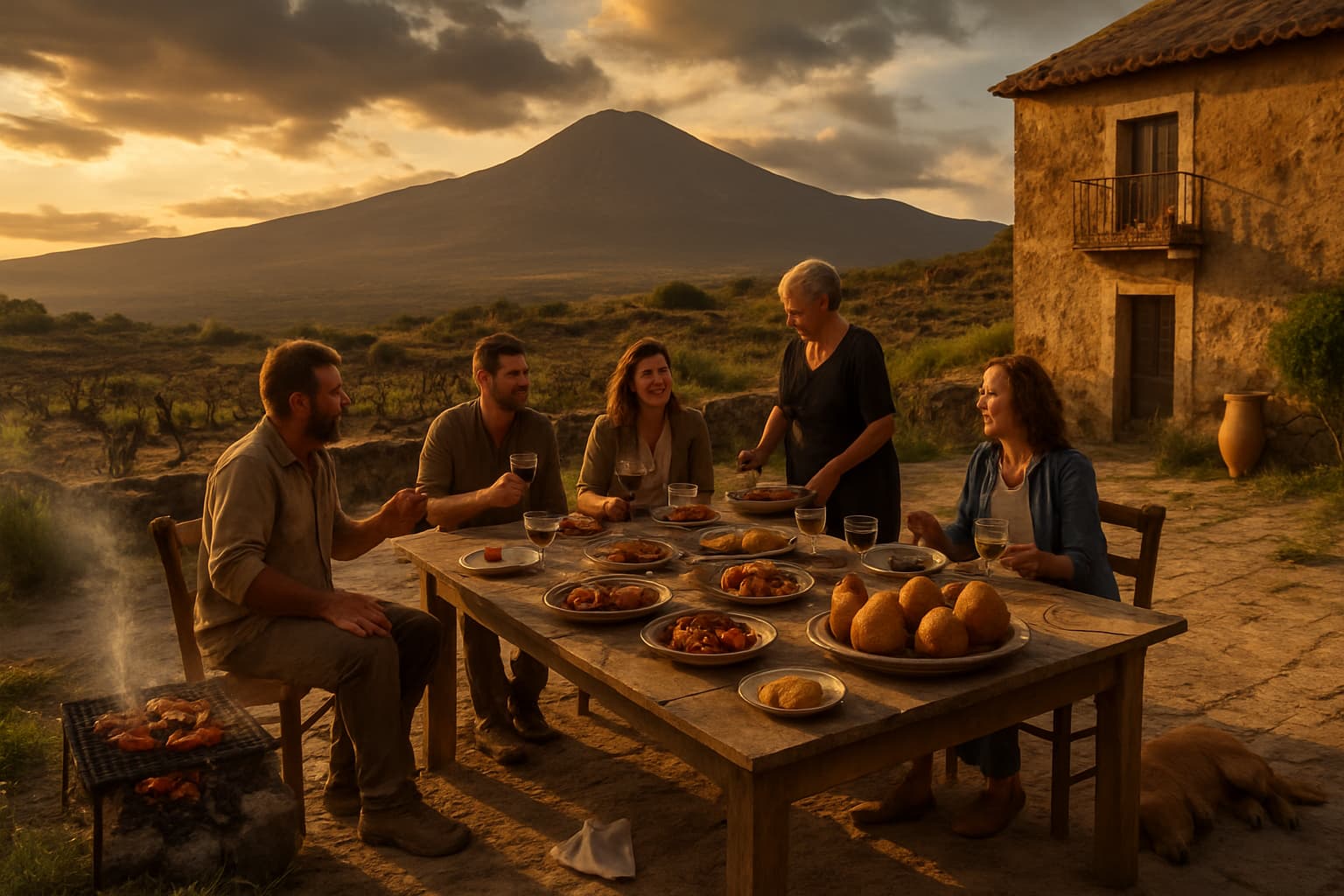
This is not polished, postcard-perfect wine tourism of the “everyone’s already been there” variety. This is wine travel with a bit of spice and soul: family-run cellars, grandmothers stirring stews in the kitchen while you taste, and winemakers so proud of their native grapes they practically glow when you like them. Let’s dive in, shall we?
The Balkans—stretching roughly from Slovenia and Croatia down through Bosnia and Herzegovina, Serbia, Montenegro, North Macedonia, Bulgaria, Albania, and into parts of Greece and Romania—form one of the world’s oldest wine regions. Vines have been grown here since antiquity, long before some of today’s “famous” wine countries had even corked their first bottle.
Yet for decades, much of this region’s wine story was hidden behind political turmoil, wars, and centralized, quantity-over-quality production. Now, like a glorious soufflé finally rising in the oven, Balkan wine is having its moment. Small producers are reclaiming old vineyards, rediscovering local grape varieties, and opening their doors to visitors who are curious enough to venture beyond the usual suspects.
What makes wine tourism here so special?
Let’s keep this brisk but flavorful, like a good reduction sauce.
All this means that when you visit, you’re not just tasting wine; you’re tasting history that’s still very much alive and evolving.
We can’t possibly cover every hill and valley, but let’s whisk through some of the most exciting corners of the Balkan wine world.
Slovenia is like that modest dinner guest who turns out to be an extraordinary cook. It borders Italy and Austria, and you can taste that Central European elegance in its wines.
Wine tourism here is well organized: charming guesthouses, bike routes through vineyards, and tasting rooms that feel like cozy living rooms.
Croatia’s coastline is one long love letter to the Adriatic, and its wines taste like sunshine, salt air, and stone.
Croatia’s wine tourism can be quite polished in some areas, with sleek tasting rooms and well-marked routes, but you’ll still find plenty of family-run spots where lunch appears magically when you sit down to taste.
Serbia is still less known to international visitors, which means you’ll often have the place—and the winemakers—almost to yourself.
Tastings here often feel like being welcomed into a family celebration: plates of cured meats, pickles, breads, and the occasional “just try this” rakija (fruit brandy) appearing alongside your wine. Pace yourself.
Blessed with a warm climate and abundant sunshine, North Macedonia is red wine country par excellence.
Wine tourism here is growing quickly: larger estates with hotels and restaurants are emerging, while smaller producers still offer intimate, informal tastings.
Bulgaria may surprise you with both its wine history and its modern ambition.
Many Bulgarian wineries now feature stylish tasting rooms, on-site restaurants, and even spa facilities—perfect for those who like their wine with a side of pampering.
These smaller, less-visited wine countries are where you can truly feel like a pioneer.
Strictly speaking, parts of Greece and Romania fall in and out of various definitions of “the Balkans,” but from a wine traveler’s perspective, they’re essential neighbors.
Now, let’s talk practicalities—what actually happens when you show up at a Balkan winery?
Think of this as your Balkan wine shopping list.
You simply cannot talk about wine tourism in the Balkans without mentioning the food—hearty, soulful, and usually served in portions intended for lumberjacks.
Come hungry. Seriously.
A few kitchen-tested guidelines for making your journey smooth and delicious:
What truly sets the Balkans apart is not just the grapes or the landscapes, splendid as they are. It’s the feeling that you’re stepping into a living, breathing story—one that has survived empires, wars, and upheaval, and is now being rewritten by families and communities who care deeply about their land.
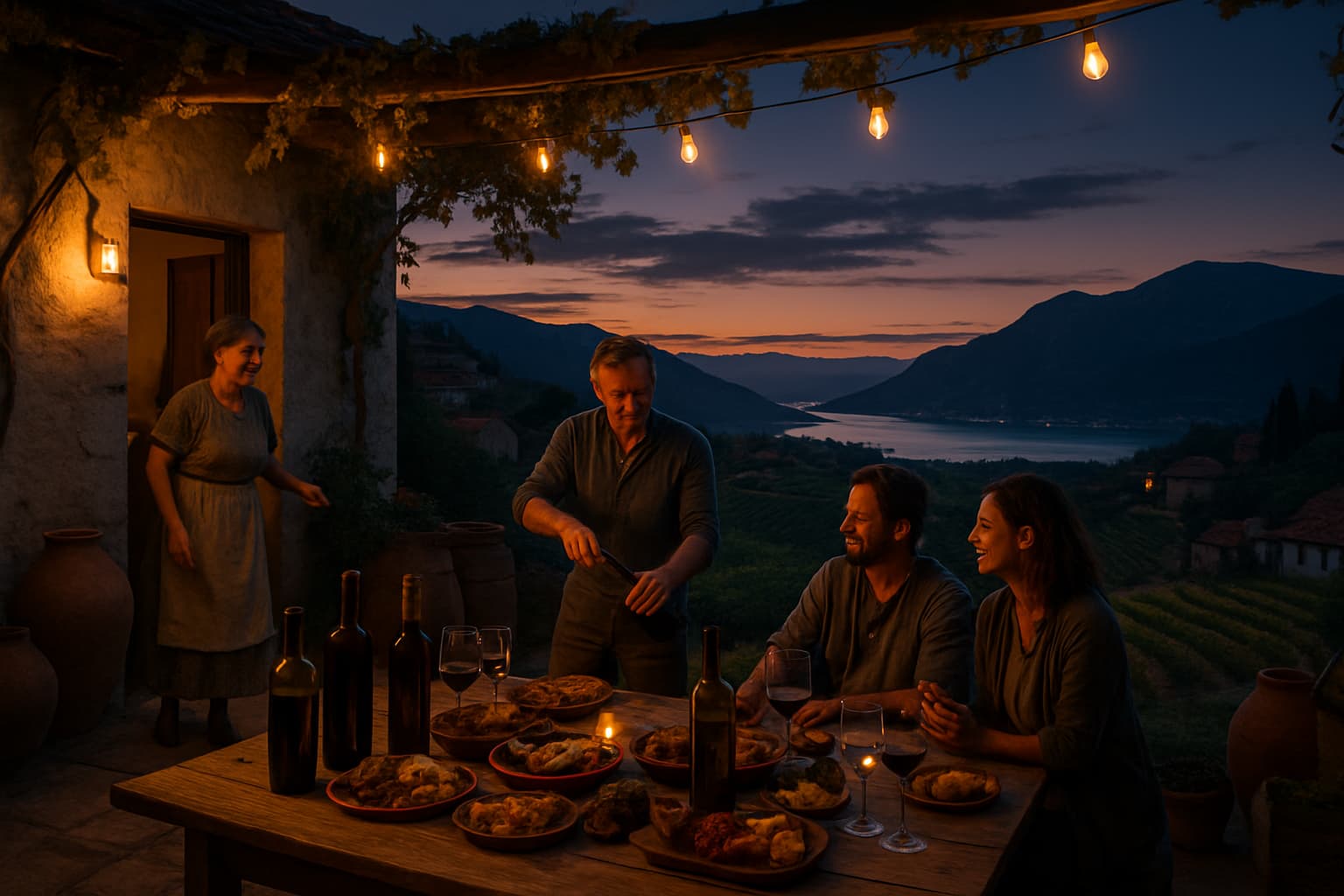
When you walk into a small cellar and the winemaker’s mother insists you taste her homemade pie, or when a farmer proudly pours you a wine made from vines his grandfather planted, you’re experiencing something far more nourishing than a simple tasting. You’re being welcomed into a culture where hospitality is not a marketing strategy, but a reflex.
If you’re willing to trade a bit of polish for a great deal of heart, to learn new grape names, and to follow winding roads into the unknown, the Balkans will reward you with wines full of character and memories that linger long after the last glass is drained.
Pack your curiosity, your appetite, and perhaps an extra suitcase for bottles. The Balkans are waiting—and they’ve saved you a seat at the table.
Tannins are astringent compounds found in wine that contribute to its texture and aging potential, often causing a drying or puckering sensation in the mouth. They are derived from grape skins, seeds, and stems, as well as from oak barrels used during aging.
/ˈtænɪnz/
Malic acid is a naturally occurring organic acid found in grapes that contributes to the tart, green apple-like flavor and crispness in wine. It plays a significant role in the taste and acidity of wine.
/mælɪk ˈæsɪd/
Choose a base region or two.
Don’t try to “do” the entire Balkans in one trip. Pick, for instance, Istria and Slovenia, or North Macedonia and northern Greece, and explore them properly.
Rent a car—but plan for a designated driver.
Public transport rarely connects rural wineries efficiently. Either rotate drivers, spit (yes, it’s allowed!), or hire a driver or guide for tasting days.
Mix wineries with culture.
Pair tastings with visits to old towns, monasteries, markets, and nature spots. It makes the wine more meaningful when you see the broader landscape and history.
Be flexible and open-hearted.
The best moments often aren’t scheduled: a winemaker pulling a barrel sample, a neighbor dropping by with homemade cheese, a spontaneous lunch invitation. Leave room for serendipity.
Bring a bit of cash.
Many smaller wineries accept cards now, but not all. Cash is also handy for roadside stands selling honey, olive oil, and jams you’ll suddenly “need.”
Filtration in winemaking is the process of removing solid particles from wine to clarify and stabilize it before bottling, using various types of filters to achieve different levels of clarity and remove unwanted elements like yeast, bacteria, and sediment.
/fɪlˈtreɪʃən/
Oxidation in wine is a chemical reaction between the wine and oxygen that can change its flavor, aroma, and color. This process can be beneficial or detrimental depending on the extent and context of the exposure.
/ˌɒksɪˈdeɪʃən/
Microclimate refers to the unique climate conditions of a small, specific area within a larger region, significantly influencing grapevine growth and the characteristics of the resulting wine.
/ˈmīkrōˌklīmit/
Get weekly wine recommendations, vineyard news, and exclusive content delivered to your inbox.