Wine Tasting
“Where every bottle tells a story”
Oh, my dears, let me tell you, there's nothing quite like the magic of wine tasting—it's a dance for the senses, a whirlwind of flavors and fragrances that can transport you straight to the sun-drenched vineyards of France or the rolling hills of Italy. Imagine holding a glass of ruby-red Bordeaux, giving it a gentle swirl, and then leaning in for that first, tantalizing sniff. It's like unlocking a hidden treasure chest of aromas that whisper stories of the earth, the sun, and the careful hands that nurtured those grapes. Today, we're diving into the art of swirling and sniffing to master aroma detection in wine tasting. Whether you're a curious beginner or a seasoned sipper looking to refine your palate, pour yourself a glass, and let's embark on this delightful adventure together. After all, life is too short for mediocre wine—let's make every sip count!
Before we start swirling and sniffing, let's discuss why aroma is the star of the show in wine tasting. You see, darling, wine isn't just about the first sip on your tongue; it's a symphony that begins long before that. The aroma—those invisible wafts rising from the glass—accounts for 80 to 90 percent of what we perceive as flavor. It's the gateway to the wine's soul, revealing hints of fruit, flowers, spices, and even the subtle earthiness of the soil where the vines grew. Philosophically, detecting these aromas is about connecting with the wine's history and the winemaker's passion. Think of it as a conversation with the past, where each scent carries the nuances of terroir—the unique French term for the vineyard's environment, including climate, soil, and sunlight. Overlook this, and you're missing the poetry in your glass!
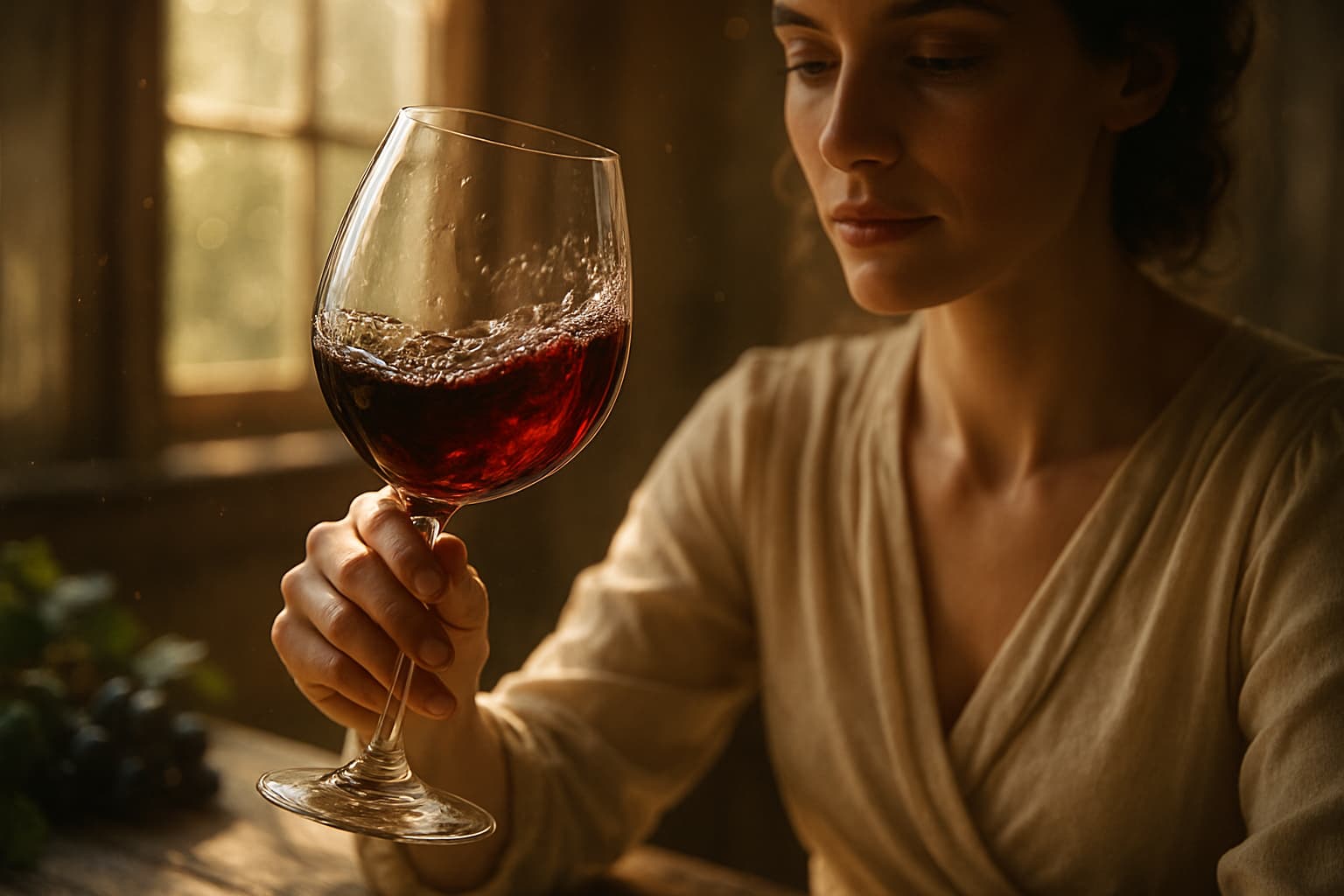
Let's start with the basics: how to swirl your wine like a pro. Don't be intimidated—swirling isn't a fancy trick reserved for sommeliers; it's simply a way to aerate the wine and release its aromas. Use a tulip-shaped glass, which funnels scents to your nose, and hold it by the stem to avoid warming the wine. Give it a gentle, confident swirl on a flat surface, allowing the wine to coat the inside of the glass without spilling. This exposes more surface area to the air, volatilizing the esters and phenols that create those delightful smells. I still remember my first visit to a Bordeaux cellar, where a winemaker demonstrated this technique, and the wine bloomed with layers of blackberry and a hint of oak. Mastering this subtle step means you're not just drinking wine—you're truly experiencing it.
Once you've mastered swirling, it's time for the sniffing extravaganza, an art form in itself. Approach it in stages for the best results. First, take a shallow sniff from about an inch away—this "first nose" captures primary aromas, like the bright fruit notes in a young Cabernet Sauvignon or the floral hints in a crisp Riesling. After swirling, move to the "second nose" by bringing the glass closer and inhaling deeply to uncover secondary aromas from fermentation and aging, such as buttery vanilla from oak barrels or earthy notes from yeast. If you're adventurous, try a third sniff after tasting to detect tertiary aromas, like the leathery undertones in an aged Merlot.
To truly master aroma detection, familiarize yourself with common scents, which can be categorized into families that reveal the grape's story. Fruit aromas are straightforward, such as the juicy red berries in a Pinot Noir or the tropical pineapple in a Gewürztraminer. Floral notes add romance, like rose petals in a Grenache or lavender in a Provence rosé. Earthy aromas, such as wet soil or mushrooms, often come from cooler climates and highlight the wine's connection to the land. Don't forget spicy or vegetal scents, like pepper in a Syrah or green bell pepper in a Cabernet Franc—these provide clues to the wine's origin, age, and winemaking techniques. For instance, prominent oak influences might indicate aging in French barrels, evoking warm, toasty notes reminiscent of a cozy fireplace.
For advanced tips that distinguish aficionados from amateurs, consider the role of temperature: too warm, and aromas become muddled; too cold, and they're subdued. Aim for 50-60 degrees Fahrenheit for reds and 45-50 for whites. The right glassware also matters—a Burgundy glass with its wide bowl is ideal for swirling delicate Pinot Noirs. Try fun activities like blind tasting with friends to sharpen your skills, or explore the cultural context, such as how wine tasting in France is a ritual celebrating community and heritage. Each swirl connects you to generations of vintners, adding depth to the experience.
Finally, remember the joy of pairing these aromas with food and occasions, as wine is meant to be shared. A wine with vibrant fruit aromas pairs beautifully with a fresh salad or grilled fish, enhancing the meal without overpowering it. Earthy, complex scents in a full-bodied red complement hearty stews or aged cheese, creating a harmonious balance. It's about the synergy of flavors—how a hint of black cherry in your glass echoes the cherries in your dessert, forging a sensory bridge. Whether for a romantic dinner or a lively gathering, mastering aroma detection helps you select wines that not only taste divine but also tell a story for the moment.
In conclusion, swirling and sniffing is more than a technique—it's a gateway to a richer appreciation of wine's simple pleasures. Armed with this knowledge, approach your next glass with confidence and curiosity, uncovering layers of flavor you might have missed before. Wine tasting is about both the heart and the head, inviting experimentation and delight. So, grab a bottle, give it a swirl, and let your nose lead the way. Cheers to many more flavorful adventures!
Tannins are astringent compounds found in wine that contribute to its texture and aging potential, often causing a drying or puckering sensation in the mouth. They are derived from grape skins, seeds, and stems, as well as from oak barrels used during aging.
/ˈtænɪnz/
Malic acid is a naturally occurring organic acid found in grapes that contributes to the tart, green apple-like flavor and crispness in wine. It plays a significant role in the taste and acidity of wine.
/mælɪk ˈæsɪd/
Filtration in winemaking is the process of removing solid particles from wine to clarify and stabilize it before bottling, using various types of filters to achieve different levels of clarity and remove unwanted elements like yeast, bacteria, and sediment.
/fɪlˈtreɪʃən/
Oxidation in wine is a chemical reaction between the wine and oxygen that can change its flavor, aroma, and color. This process can be beneficial or detrimental depending on the extent and context of the exposure.
/ˌɒksɪˈdeɪʃən/
Microclimate refers to the unique climate conditions of a small, specific area within a larger region, significantly influencing grapevine growth and the characteristics of the resulting wine.
/ˈmīkrōˌklīmit/
Get weekly wine recommendations, vineyard news, and exclusive content delivered to your inbox.