Wine Literature and Media
“Where every bottle tells a story”
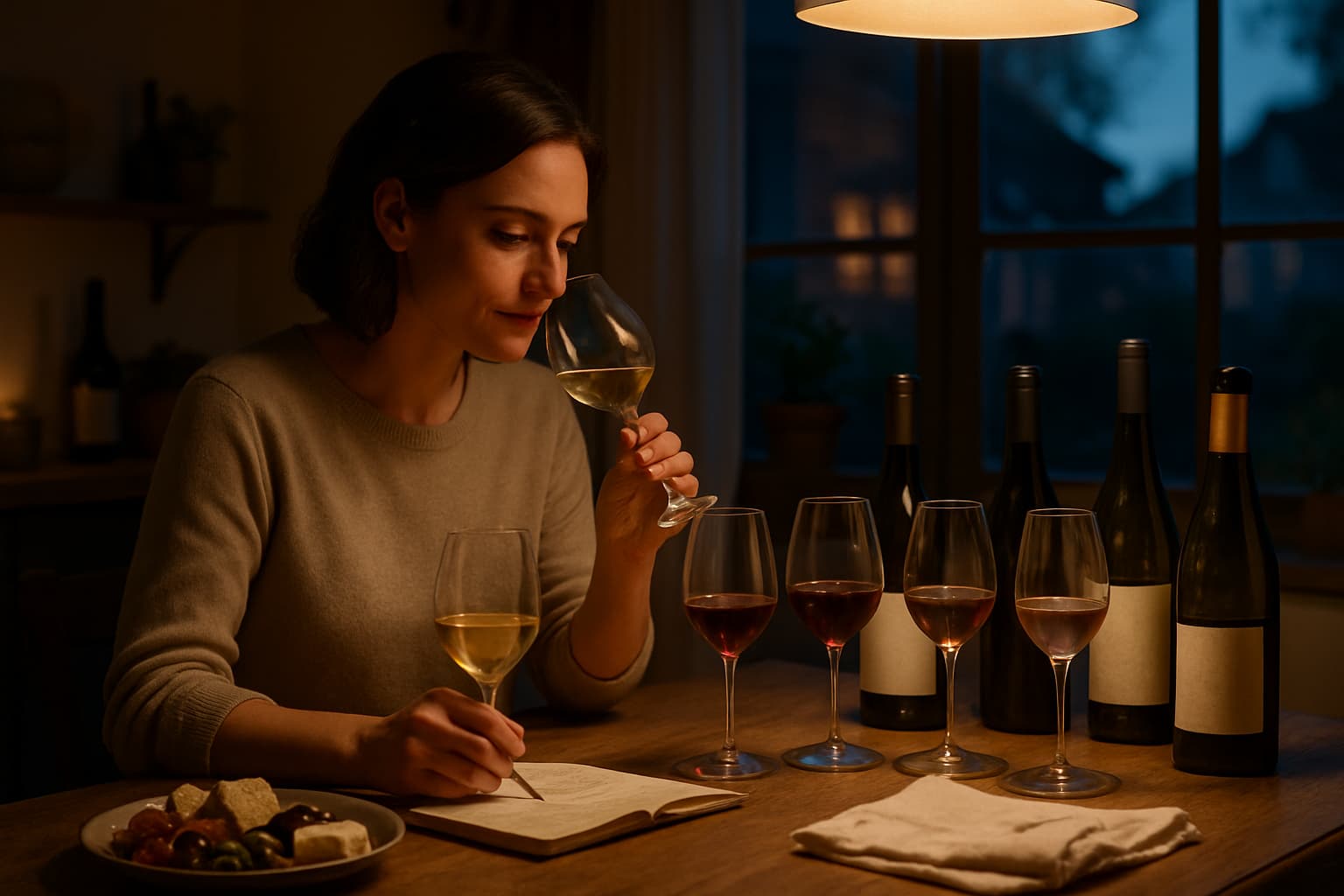
Oh, my dear, pour yourself a little something and pull up a chair—because by the time we’re finished, you’ll be swirling, sniffing, and sipping like you’ve been doing it for years. You don’t need a sommelier’s certificate or a cellar the size of a ballroom. With a bit of curiosity, a sense of fun, and a day to play, you can become perfectly, delightfully competent with wine.
Let’s roll up our sleeves and dive in, shall we?
People talk about wine as if it were a secret society with a Latin password and a velvet rope. Nonsense. Wine is fermented grape juice, made by human beings, meant to be drunk by other human beings—preferably with dinner and people you like.
You absolutely can become a “24-hour wine expert” in the most useful sense:
Will you know every vineyard on every hillside in Burgundy? Certainly not—and you don’t need to. You just need a sturdy foundation, like a good chicken stock, upon which you can build anything.
Before we start tasting, let’s get our bearings. Think of this as mise en place for your wine brain.
There are hundreds of styles, but most wines you meet will fall into four big families:
That’s your basic pantry: white, red, rosé, and sparkling. From here, we season.
You don’t need fancy language, but a few key words will help you understand what’s in your glass and how to describe it without resorting to, “It’s…nice.”
Tip: If you like a little sweetness, look for “off-dry” or lower-alcohol white wines (around 8–11% often signals some residual sugar).
Acidity is the zing, the brightness—the squeeze of lemon over fish.
If you like lemonade, green apples, and vinaigrettes, you probably enjoy higher-acid wines.
Tannin comes from grape skins, seeds, and oak. It’s what makes your mouth feel a bit dry and grippy with some red wines.
If you drink strong black tea and like that slight dryness, you’ll probably enjoy tannic wines.
Body is how heavy or light the wine feels in your mouth—like the difference between skim milk and cream.
Body is influenced by alcohol, tannin, and flavor intensity.
If we’re going to become briskly competent in a day, we must taste with purpose. Here’s a simple “flight” you can assemble from a decent wine shop or supermarket:
You don’t need expensive bottles; mid-range, well-made wines are ideal for learning. Ask the shopkeeper for something “typical” of each style.
No need to flutter about—just follow this simple ritual:
In one afternoon of tasting these six wines thoughtfully, you’ll begin to recognize patterns:
That’s expertise where it counts—in your own glass.
Wine labels can look like legal documents or family crests, but they’re just telling you a few key things.
Most labels will give you some combination of:
New World (US, Australia, New Zealand, Chile, Argentina, South Africa, etc.):
Old World (France, Italy, Spain, Germany, etc.):
Learn a few classic region–grape pairs, and you’ll feel terribly clever:
You don’t need to memorize a wine atlas; just recognize that region names often stand in for grapes and styles.
Pairing wine and food is like arranging a dinner party. You want everyone to get along and no one to shout.
Don’t fuss too much. A decent wine with good food and good company is already a success.
Becoming a 24-hour wine expert isn’t about memorizing trivia; it’s about feeling at ease. Here’s how to continue, gently and enjoyably.
Each time you try a wine, jot down:
In a few weeks, you’ll see patterns emerge. That’s your personal wine map.
Look for a shop where the staff:
Tell them, “I’m learning. I like [describe a wine you enjoyed]. What else should I try?” This is like having a cooking instructor in the pantry.
Invite a few friends, assign each person a bottle within a budget, and taste together. Brown-bag the bottles if you want to be mysterious. Talk about:
You’ll learn twice as fast when you compare wines side by side.
Wine is not a test you pass; it’s a companion for your meals and your moments. The goal in 24 hours is not omniscience, but comfort:
Remember: the best wine is the one you like, with the people you love, in the glass you have. If anyone insists otherwise, give them a crust of bread and send them to the kitchen to cool off.
So, tomorrow—or even this evening—pick up a few bottles, gather a couple of glasses, and give yourself permission to play. Swirl, sniff, sip, and think. By the end of the day, you won’t just know more about wine; you’ll have made it part of your life, as natural as butter on toast.
And that, my dear, is expertise of the most delicious kind.
Tannins are astringent compounds found in wine that contribute to its texture and aging potential, often causing a drying or puckering sensation in the mouth. They are derived from grape skins, seeds, and stems, as well as from oak barrels used during aging.
/ˈtænɪnz/
Malic acid is a naturally occurring organic acid found in grapes that contributes to the tart, green apple-like flavor and crispness in wine. It plays a significant role in the taste and acidity of wine.
/mælɪk ˈæsɪd/
White Wine
Red Wine
Rosé
Sparkling Wine
Look
Swirl
Smell
Sip
Think
Match weight with weight
Acid loves fat and salt
Tannin loves protein
Sweet with heat
When in doubt, rosé or sparkling
Filtration in winemaking is the process of removing solid particles from wine to clarify and stabilize it before bottling, using various types of filters to achieve different levels of clarity and remove unwanted elements like yeast, bacteria, and sediment.
/fɪlˈtreɪʃən/
Oxidation in wine is a chemical reaction between the wine and oxygen that can change its flavor, aroma, and color. This process can be beneficial or detrimental depending on the extent and context of the exposure.
/ˌɒksɪˈdeɪʃən/
Microclimate refers to the unique climate conditions of a small, specific area within a larger region, significantly influencing grapevine growth and the characteristics of the resulting wine.
/ˈmīkrōˌklīmit/
Get weekly wine recommendations, vineyard news, and exclusive content delivered to your inbox.