Wine Tasting
“Where every bottle tells a story”
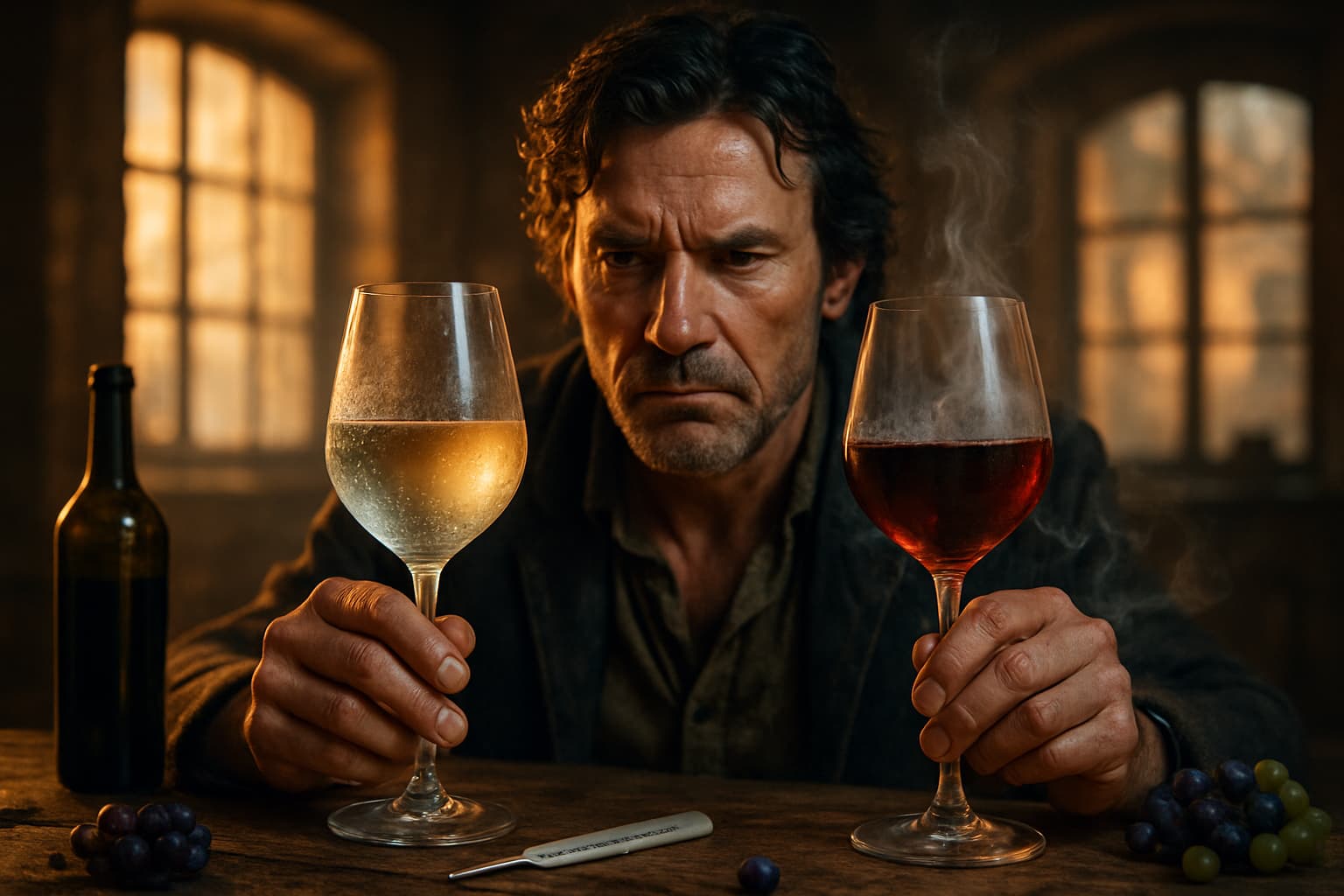
Ladies and gentlemen, hold onto your corkscrews because we're diving headfirst into the whirlwind of wine tasting, where temperature can make or break a sacred ritual. I'm talking about that elusive variable—temperature—which can transform a humble bottle of wine from a symphony of delight into a disappointing farce. Picture this: me, Hunter S. Thompson, tucked away in a dimly lit cantina off the beaten path in Napa Valley, with a half-empty glass of Cabernet sweating in my hand and the air thick with the ghosts of fermented grapes and poor choices. Temperature isn't just a number on a dial; it's a wild force that can sharpen or dull your senses, alter perceptions, and lead to over-oaked regret. So, strap in, you wine enthusiasts and connoisseurs alike, as we uncork the secrets of how heat and chill orchestrate the theater of wine tasting. This isn't your grandmother's wine guide—it's a gonzo adventure through the vineyards of excess and precision.
First, let's clarify one key point: wine is a living, breathing entity, born from the earth's bounty and influenced by forces that could make Mother Nature pause. Temperature acts as the invisible hand that either nurtures or undermines this creation. I recall a night in the desert under a star-filled sky, when I opened a bottle of Sauvignon Blanc that had chilled too long in the cooler. It hit my tongue like a sharp rebuke—crisp, yet stripped of its essence, with fruity nuances flattened into a watery murmur. Conversely, I've sampled reds that were warmer than a politician's promise, turning a velvety experience into a syrupy disaster. The science is straightforward and unforgiving: temperature controls the release of volatile compounds, the aromatic and flavorful elements that dance on your palate like elusive spirits.
Diving deeper, let's explore the science behind wine temperature—because even amid my haze of mescaline and Merlot, facts demand attention. Wine is a blend of acids, sugars, tannins, and alcohols, all competing in a delicate balance. Chill it too much, below 45°F, and it's like putting it into cryogenic suspension; the cold suppresses volatile esters and phenols, muting the fruit, floral, and spicy notes. It's akin to enjoying a jazz solo in a soundproof room—everything feels distant and underwhelming. On the other hand, warming it past 70°F for reds accelerates evaporation, allowing precious aromas to escape quickly, leaving behind a flabby, overripe flavor that tastes like missed opportunities and oxidation.
Now, let's get practical, you daring souls—because theory is useless without actionable advice. Different wines require specific temperature ranges, and nailing it is like striking gold in a high-stakes game. For whites and rosés, these delicate varieties thrive in cooler conditions, ideally between 45°F and 55°F. Consider a Chardonnay at 50°F: its acidity sparkles like fireworks, with citrus and green apple notes shining clearly and a subtle minerality evoking the vineyard's soil. But let it warm to 60°F, and the flavors dull, transforming a refreshing sip into a lackluster letdown. I've tested this firsthand, comparing a Sancerre fresh from the fridge to one at room temperature—the difference is stark, like a clear desert dawn versus a hazy Vegas morning.
Reds, those bold and brooding types, demand a bit more warmth to shine. Lighter reds like Pinot Noir perform best between 55°F and 65°F, where temperature brings out red fruit flavors—cherries, raspberries, and hints of earth—without overwhelming their structure. For fuller-bodied options like Cabernet Sauvignon or Syrah, aim for 65°F to 70°F; here, tannins soften, dark fruits burst forth, and spicy notes deliver a satisfying punch. I once spent an intense afternoon in Bordeaux, glass in one hand and thermometer in the other, experimenting with a Pomerol that started at 55°F and warmed to 68°F. At the cooler end, it was restrained, like a shy newcomer; as it warmed, it unfolded into a rich symphony of blackberry, tobacco, and profound depth. However, exceed 70°F, and you're left with harsh alcohol burn and faded glory—a stark reminder that precision is key to ecstasy or agony.
Don't overlook sparkling wines, those lively effervescents that demand a chilly embrace to preserve their sparkle. Champagne, Prosecco, and Cava shine between 40°F and 50°F, maintaining their fizz and freshness. If they warm too much, the carbonation falters, bubbles collapse like a failed adventure, and you're stuck with a flat, uninspired drink that undermines any celebration. I remember a vibrant New Year's Eve in a forgotten chateau, where we chilled the bubbly perfectly; each sip launched flavors of brioche, citrus, and an exhilarating tingle. It's not just about taste—it's about enhancing the entire ritual of wine tasting.
In the true gonzo spirit, we must also consider the deeper philosophy. Temperature isn't merely a technical detail; it's a metaphor for life's delicate balances—passion and restraint, heat and chill. Serve wine incorrectly, and you dishonor the winemaker's craft and the grape's journey from vine to glass. There's a human element often ignored in controlled tastings: how your body temperature interacts with the wine. Have you noticed how a glass tastes different on a sweltering summer day versus a crisp autumn evening? It's a chaotic dance, reminding us that wine tasting is a raw, instinctive experience, not a sterile experiment.
The risks of getting it wrong are significant. I've witnessed arguments erupt and friendships strain over a mishandled bottle—over-chilling a red labels you a novice, while over-warming a white feels like serving soup at a formal event. Beyond social missteps, the real loss is in true appreciation; a perfectly tempered wine reveals layers of flavor, context, and even personal memories. It's about the stories wines tell, the cultures they connect, and the subtle ties to nature's rhythms.
As we conclude this exhilarating journey, remember: temperature is the guardian of wine's soul. Handle it with respect, and you'll uncover experiences that go beyond the ordinary. For me, I'll keep pursuing that ideal pour, thermometer at the ready, through vineyards and indulgences. Raise your glass, fine-tune that temperature, and embrace the adventure—because ultimately, it's not just about the wine; it's about savoring life, one sip at a time. Cheers to the passionate pursuit of flavor, you remarkable souls.
Tannins are astringent compounds found in wine that contribute to its texture and aging potential, often causing a drying or puckering sensation in the mouth. They are derived from grape skins, seeds, and stems, as well as from oak barrels used during aging.
/ˈtænɪnz/
Malic acid is a naturally occurring organic acid found in grapes that contributes to the tart, green apple-like flavor and crispness in wine. It plays a significant role in the taste and acidity of wine.
/mælɪk ˈæsɪd/
Filtration in winemaking is the process of removing solid particles from wine to clarify and stabilize it before bottling, using various types of filters to achieve different levels of clarity and remove unwanted elements like yeast, bacteria, and sediment.
/fɪlˈtreɪʃən/
Oxidation in wine is a chemical reaction between the wine and oxygen that can change its flavor, aroma, and color. This process can be beneficial or detrimental depending on the extent and context of the exposure.
/ˌɒksɪˈdeɪʃən/
Microclimate refers to the unique climate conditions of a small, specific area within a larger region, significantly influencing grapevine growth and the characteristics of the resulting wine.
/ˈmīkrōˌklīmit/
Get weekly wine recommendations, vineyard news, and exclusive content delivered to your inbox.