Wine Tourism
“Where every bottle tells a story”
You can almost hear it before you taste it—the soft clink of glasses, the low murmur of conversation, the wind moving through vines that have seen more seasons than you or I ever will. Wine, you see, is not just a drink. It is a memory keeper. A liquid archive. And when you travel to the places where it’s born, you’re not just a tourist anymore. You become a witness to history, to culture, to the rhythm of human life itself.
That is the quiet power of wine tourism and cultural heritage: it invites you to step into a story that began long before you arrived and will continue long after you’ve gone.
Walk into a vineyard at dawn, and you’ll understand something that can’t be captured in a brochure. The soil underfoot isn’t just dirt; it’s a tapestry of centuries. Each vine has been pruned, trained, and tended by hands that learned from the generation before them. The word “terroir” gets used a lot in the world of wine—soil, climate, topography, all shaping the flavor of the grape. But terroir is more than geology and weather. It’s memory. It’s tradition. It’s culture.
Wine tourism, at its best, treats the vineyard as a living museum—not a place where artifacts sit behind glass, but where heritage is alive in every row of vines, every stone wall, every old barrel in a dimly lit cellar. When you visit a wine region, you’re not just looking at scenery; you’re encountering the accumulated wisdom of centuries of trial and error, hope and heartbreak.
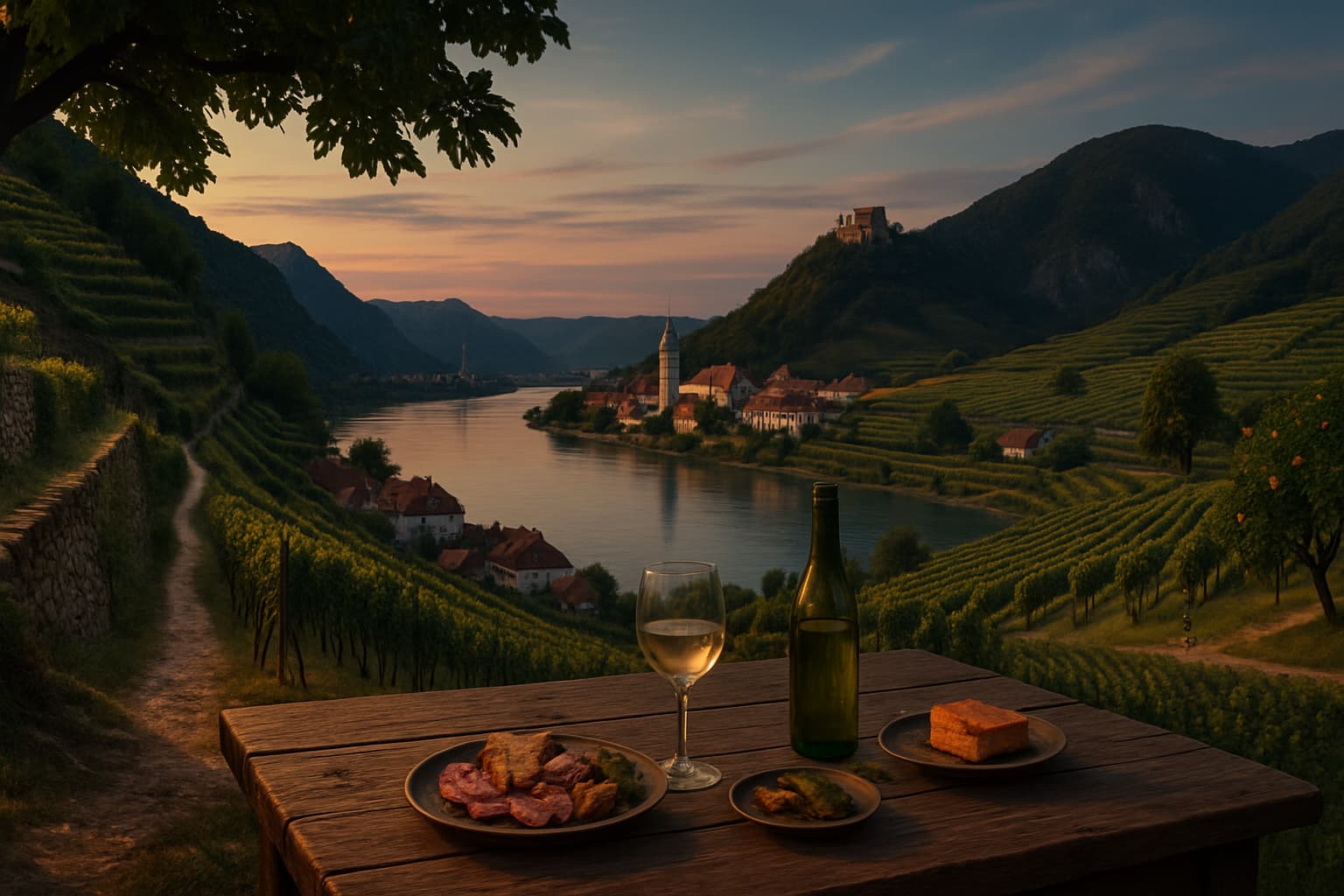
In places like Bordeaux, Tuscany, the Douro Valley, the Cape Winelands, or the hills of Georgia—the cradle of ancient winemaking—the landscape itself tells you a story. Terraced slopes carved into mountainsides. Medieval villages perched above the vines. Tiny chapels, old mills, and family estates that have stood through wars, plagues, and revolutions. Wine tourism gives you a front-row seat to that history.
If you trace wine back far enough, you’ll find yourself standing in the ruins of ancient civilizations. The earliest evidence of winemaking stretches back over 8,000 years to the Caucasus region, in what is now Georgia. Clay vessels called qvevri were buried underground, filled with crushed grapes, and left to ferment. That same method is still used today, not as a novelty, but as a living continuation of a very old story.
Travel a little further along the timeline, and you’ll find the Egyptians painting scenes of grape harvesting on tomb walls. The Greeks raised cups of wine to their gods, weaving it into their philosophy, their theater, their daily rituals. The Romans, practical and ambitious, spread the vine wherever their empire reached—Gaul, Hispania, Britannia—laying the foundations for many of the world’s great wine regions.
Modern wine tourism lets you walk in those footsteps. You can stand in a Roman cellar in Champagne, its chalk tunnels still used today. You can visit monasteries in Burgundy or the Rhine, where monks, centuries ago, meticulously recorded which plots of land produced the best grapes. You can explore traditional cellars in Portugal’s Douro Valley, where port wine aged in barrels while empires rose and fell.
Every region has its own timeline, its own turning points. Phylloxera, the tiny louse that devastated European vineyards in the 19th century, forced growers to rethink everything. Wars destroyed fields and cellars, but families replanted, rebuilt, and carried on. Wine tourism opens a door into these stories—not as abstract history, but as something you can see, feel, and taste in the glass before you.
People often say wine has “notes” of this or that—cherry, tobacco, earth, stone. But beneath the tasting notes is something deeper: wine as a language of place. When you visit a wine region, you begin to understand that language.
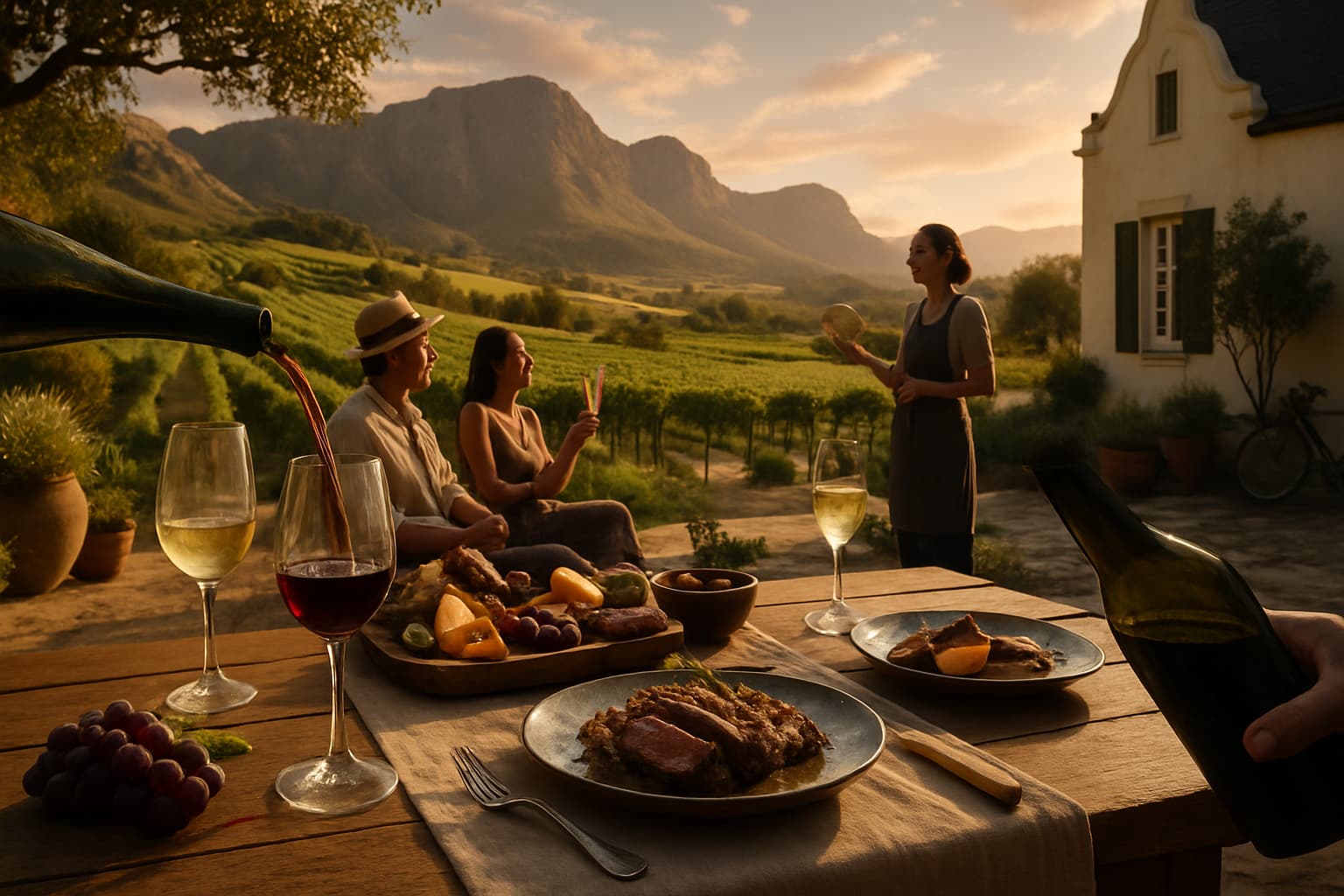
In a small cellar in Piedmont, you might listen to a winemaker explain why Nebbiolo thrives on one hillside but not the next. In a village in Spain’s Rioja, an old farmer might tell you how his grandfather picked grapes by moonlight to avoid the scorching sun. In South Africa, you may hear how apartheid shaped land ownership, and how new generations are reclaiming identity and heritage through wine.
Wine tourism becomes a bridge between cultures. You learn local customs: how to toast in Greek, how to pour in Georgia, how to share a carafe in a French bistro or an Italian osteria. You discover that in some places, wine is inseparable from religious rituals; in others, it’s woven into harvest festivals, weddings, and family celebrations.
The bottle in front of you stops being just a product. It becomes a story told in liquid form—of climate and soil, yes, but also of migration, colonization, resistance, and resilience. It’s a gentle reminder that culture is not a museum piece. It’s something people live every day.
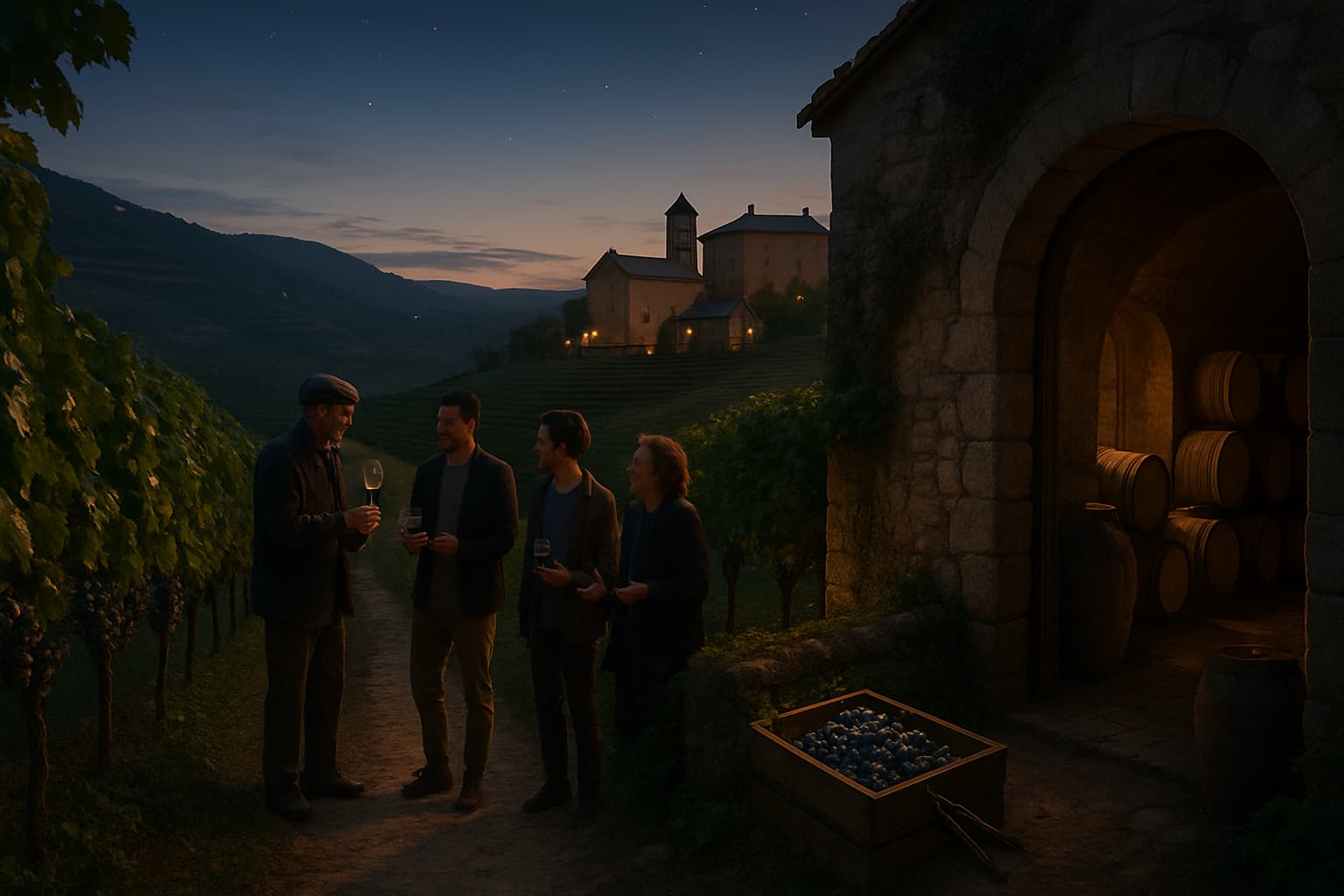
There is a certain hush that falls when you step into an old wine cellar: stone walls, cool air, the faint scent of oak and earth. It feels sacred, somehow. And in a way, it is.
Wine architecture is a key part of cultural heritage, and wine tourism brings you face to face with it. In Bordeaux, grand châteaux rise above manicured vineyards, symbols of nobility and power. In Portugal’s Douro Valley, whitewashed quintas cling to steep hillsides, watching over the river that carried their barrels down to the city of Porto. In Alsace, colorful half-timbered houses line narrow streets, each with a cellar below where barrels have rested for generations.
Then there are the monasteries and abbeys—silent witnesses to centuries of winemaking. Monks in Burgundy or the Loire once tended vines with almost religious devotion, mapping the land with a precision that still shapes how we understand vineyards today. Their cloisters and refectories, their stone presses and ancient tools, remain as part of the landscape you can visit, explore, and contemplate.
In the modern era, new wineries have embraced bold architecture—glass, steel, and sweeping lines—standing alongside centuries-old stone buildings. This contrast tells another story: heritage is not frozen in time. It adapts. It evolves. Wine tourism allows you to see that coexistence of old and new, tradition and innovation, side by side in the same valley.
If you really want to feel the cultural heartbeat of a wine region, come during harvest. There is an electricity in the air when the grapes are ready. Tractors move along narrow roads. Workers in the fields laugh, sing, or simply work in quiet concentration. The whole community seems to lean into the same moment.
Many wine regions celebrate harvest with festivals—parades, music, dancing, and of course, plenty of wine. In Germany, you’ll find wine festivals in small towns along the Mosel and Rhine, lanterns strung above the streets, brass bands playing into the night. In France, the Fête des Vendanges in Montmartre turns a Parisian hill into a celebration of its tiny urban vineyard. In Argentina, the Fiesta Nacional de la Vendimia in Mendoza transforms the city into a grand spectacle honoring the grape.
These gatherings are not just excuses to drink. They’re rituals of gratitude, continuity, and identity. They mark the passing of seasons, the cycles of planting and harvest, scarcity and abundance. When you travel for wine, you become part of that rhythm, even if only for a few days.
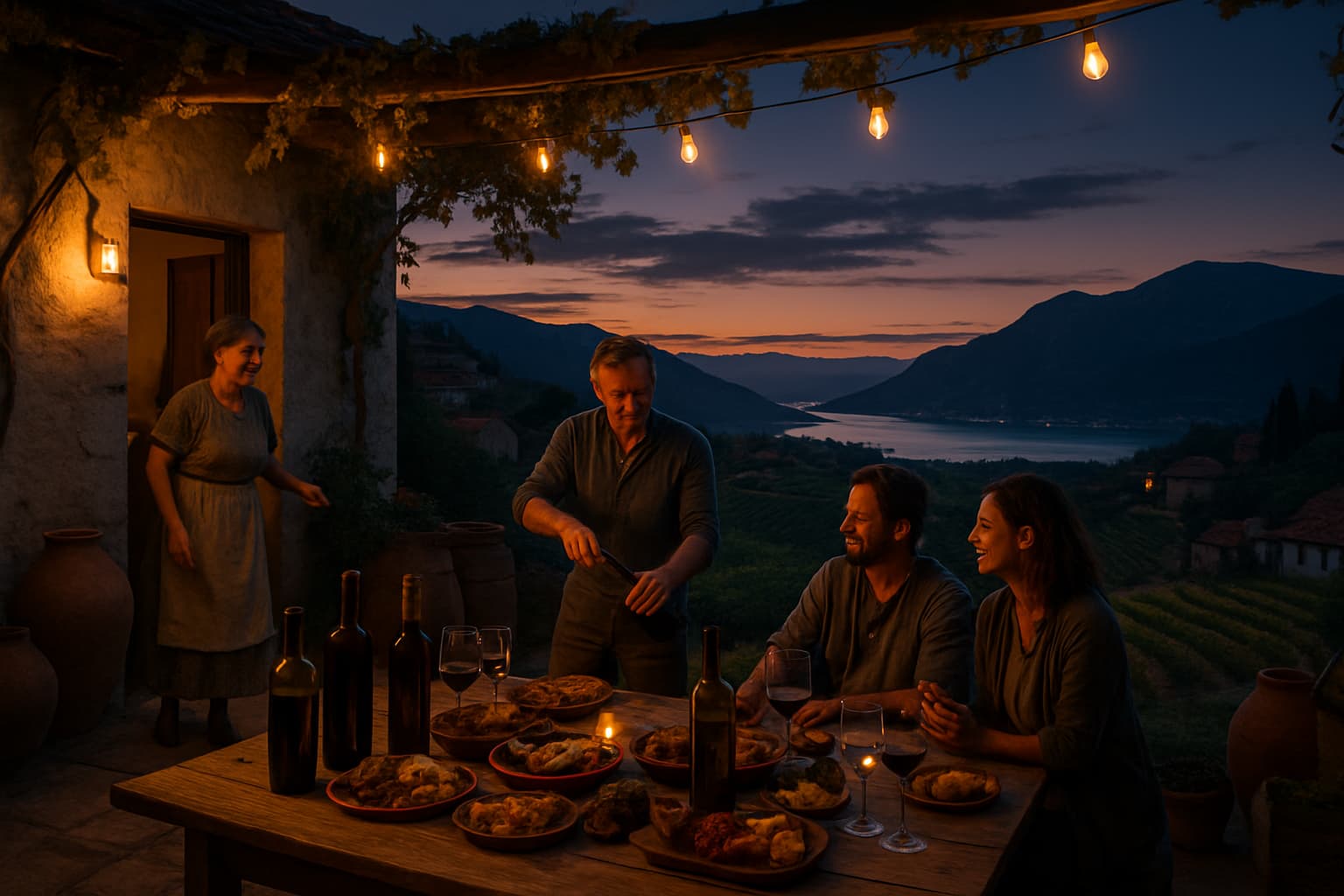
And then there are the quieter rituals: the way a family in rural Italy sets the table, the way a Georgian host insists you drink from a shared horn, the way a winemaker in Chile tells you to listen to the wine as it ferments, “like a living thing breathing.” These are the moments where cultural heritage reveals itself not in grand gestures, but in simple, human habits passed down over time.
The world is changing faster than vineyards can grow. Climate change is shifting temperatures and rainfall patterns, forcing regions to adapt. Some grapes that once thrived in a cool climate now struggle under hotter summers; others are moving to higher altitudes or more northern latitudes. Old traditions are being tested by new realities.
At the same time, globalization has made it easier than ever to find a bottle from almost anywhere. Supermarket shelves carry wines from continents you may never visit. That convenience is a blessing, but it can also flatten differences, turning unique local stories into generic labels.
This is where wine tourism plays a quiet but important role. By traveling to the source, by meeting the people behind the wines, you help keep those stories alive. Your curiosity supports small family wineries that might otherwise be swallowed up by larger corporations. Your interest in local grape varieties—those unfamiliar names that don’t appear on mass-market shelves—encourages growers to preserve them rather than uproot them.
Many wine regions have embraced sustainable practices, not only for the environment but for cultural survival. Organic and biodynamic farming, careful water use, protection of old vines, preservation of traditional techniques—these are all part of a larger effort to ensure that heritage doesn’t vanish under the pressure of modern efficiency.
When you choose to visit a small village instead of just a famous brand, when you listen to the stories of a winemaker whose family survived war, drought, or economic hardship, you’re doing more than tasting wine. You’re honoring a lineage.
There is a difference between consuming and connecting. Wine tourism offers both paths, and the choice, in the end, is yours.
To travel thoughtfully through wine regions is to slow down. To listen more than you speak. To ask about the history of a vineyard, not just the price of a bottle. It means respecting local customs, understanding that for many people, this is not a theme park but their home, their livelihood, their legacy.
Support local businesses—small wineries, family-run inns, village restaurants. Seek out traditional foods that have been paired with local wines for generations: tapas with sherry in Spain, hearty stews with robust reds in Portugal, delicate seafood with crisp whites along coastal regions. In this way, you come to understand that wine is not an isolated luxury, but part of a larger cultural table.
And perhaps most importantly, carry the stories with you when you leave. Remember the faces, the fields, the old stone walls. When you open a bottle at home, let it be more than a drink. Let it be a reminder of the people and places that made it possible.
In the end, wine tourism is not really about chasing the “best” bottle or checking famous regions off a list. It is about something quieter, more enduring. It is about standing in a place where past and present meet, where human hands have shaped the land, and the land, in turn, has shaped human lives.
Every vineyard you visit, every cellar you step into, every glass you raise in a distant town brings you closer to understanding a simple truth: culture is not an abstract idea. It is the sum of everyday choices, repeated over generations. It is the way we plant and harvest, the way we celebrate and mourn, the way we remember who we are.
Wine, in its humble, miraculous way, carries that memory. And when you travel to meet it where it’s born, you don’t just taste a region—you become part of its story, if only for a moment.
So, when you next find yourself in a valley of vines, with the sun setting low and the air cooling around you, take a breath. Listen. Somewhere in the distance, you can almost hear the voices of those who came before, carried on the wind between the rows. And as you lift your glass, you are not just drinking wine.
You are drinking history. You are drinking culture. You are drinking the echoes of time itself.
Tannins are astringent compounds found in wine that contribute to its texture and aging potential, often causing a drying or puckering sensation in the mouth. They are derived from grape skins, seeds, and stems, as well as from oak barrels used during aging.
/ˈtænɪnz/
Malic acid is a naturally occurring organic acid found in grapes that contributes to the tart, green apple-like flavor and crispness in wine. It plays a significant role in the taste and acidity of wine.
/mælɪk ˈæsɪd/
Filtration in winemaking is the process of removing solid particles from wine to clarify and stabilize it before bottling, using various types of filters to achieve different levels of clarity and remove unwanted elements like yeast, bacteria, and sediment.
/fɪlˈtreɪʃən/
Oxidation in wine is a chemical reaction between the wine and oxygen that can change its flavor, aroma, and color. This process can be beneficial or detrimental depending on the extent and context of the exposure.
/ˌɒksɪˈdeɪʃən/
Microclimate refers to the unique climate conditions of a small, specific area within a larger region, significantly influencing grapevine growth and the characteristics of the resulting wine.
/ˈmīkrōˌklīmit/
Get weekly wine recommendations, vineyard news, and exclusive content delivered to your inbox.