Wine Tourism
“Where every bottle tells a story”

Oh, my dear, what a delicious topic we have today—wine, wellness, and a bit of pampering all stirred together like a perfect sauce. Let’s tie on our metaphorical aprons and step into a world where vineyards meet spas, and self-care comes with a very nice glass of something splendid.
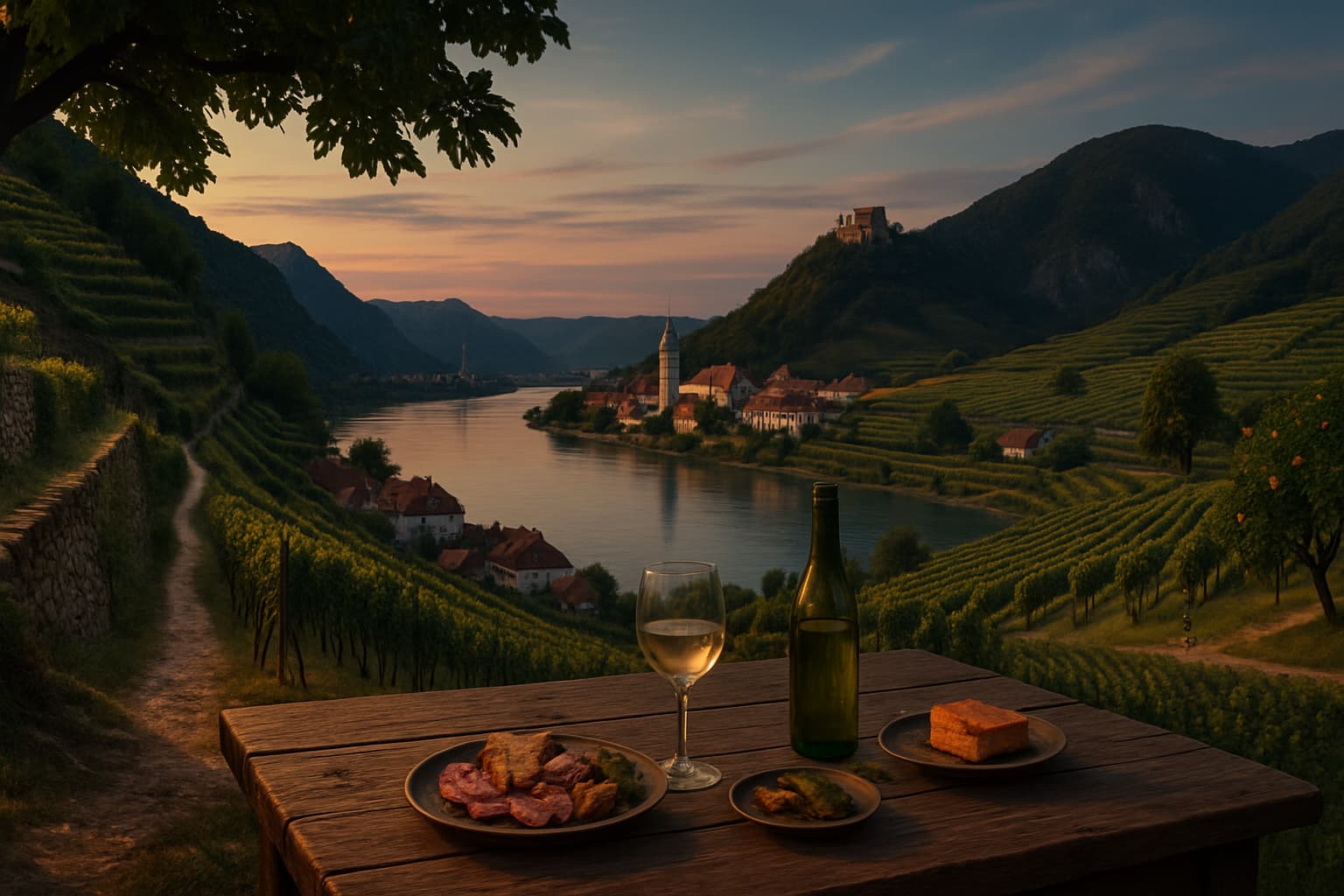
For years, people have traveled to wine regions to swirl, sniff, and sip. Increasingly, they’re also coming to rest, restore, and reconnect with themselves. Wine regions—those rolling hills, sun-warmed vines, and languid afternoons—naturally lend themselves to wellness. The pace is slower, the air often cleaner, and the scenery positively medicinal for the soul.
Now add to that hot stone massages, mineral baths, yoga among the vines, and thoughtfully crafted food and wine pairings that nourish rather than overwhelm. It’s rather like transforming a simple roast chicken into a glorious feast with herbs, butter, and a bit of patience—same foundation, but an entirely elevated experience.
Wine tourism and wellness retreats are popping up from Napa to New Zealand, Bordeaux to the Barossa, offering travelers a new kind of escape: indulgent yet intentional, luxurious yet grounded.
Once upon a time, a trip to wine country meant tastings, perhaps a cellar tour, and then off you went. Today, many estates have turned themselves into full-bodied experiences: boutique hotels, wellness pavilions, walking trails, and culinary programs all folded into the vineyard landscape.
Think of a vineyard as a living, breathing organism:
A stay at a vineyard retreat might include:
It’s not about excess; it’s about presence. The wellness-minded wine traveler isn’t there just to drink—they’re there to feel.
Now, let’s talk about spas—those glorious temples of warm towels and hushed voices. In wine regions, spas are increasingly weaving the vine itself into their treatments, as if the grape were a sort of fairy godmother of relaxation.
“Vinotherapy” sounds like something invented by a very clever marketer, but it’s rooted in real science. Grapes—especially their skins and seeds—are rich in polyphenols and antioxidants, which help combat free radicals and support skin health.
You might encounter:
It’s all very civilized, like adding just the right amount of butter to a sauce—not too much, not too little, just enough to make you sigh with contentment.
Even when grapes aren’t directly involved, wine-region spas often reflect their surroundings:
You emerge not only relaxed, but steeped—like a well-made stock—in the flavors and fragrances of the region.
We must address the grape in the room: how does wine fit into wellness? After all, wellness is often associated with abstinence and strict rules, while wine is associated with pleasure and celebration.
The magic lies in how you approach it.
Mindful tasting treats wine less like a beverage to be consumed and more like a story to be listened to:
This kind of tasting can be surprisingly meditative. You become present, curious, and attentive—key ingredients in any wellness practice.
Many wellness-focused wine retreats now offer:
Think of it as the difference between gobbling and dining. The food is the same; the experience is entirely different.
Wellness is not all bathtubs and blissful sighs—there’s movement too. Wine regions are splendid playgrounds for gentle (and not-so-gentle) activity.
Those undulating hills and winding paths are perfect for:
Many retreats now package tastings with guided hikes or bike rides, so a glass of wine becomes a well-earned reward rather than a constant companion.
Imagine unrolling your yoga mat between rows of vines, the earth firm beneath you, the sky wide above. It’s quite different from a fluorescent-lit studio.
Common offerings include:
These practices help balance the indulgence of wine with a feeling of strength, alignment, and inner spaciousness.
Wine regions tend to be blessed with wonderful ingredients: seasonal produce, artisanal cheeses, good bread, olive oils, and often seafood or game. It’s a cook’s paradise—and a wellness traveler’s too.
In the past, wine tourism often meant multi-course extravaganzas that left one feeling rather like an overstuffed turkey. Today, many vineyard restaurants and retreats are pivoting toward:
The goal is satisfaction, not stupor. You can enjoy a glorious meal and still feel energetic enough for a walk afterward.
Wellness-minded wine travelers often care where their food comes from. Many estates now:
Learning to prepare a rustic, vegetable-forward meal with a well-chosen local wine can be its own kind of wellness education—one you bring home and repeat on a rainy Tuesday when you need a bit of comfort.
If all this is making you itch to pack a bag (and perhaps a very roomy pair of pants), let’s talk about how to choose and shape your experience.
Before you reserve, consider:
On your trip, you might:
The aim is to return home feeling restored, not depleted. Think of it as seasoning: a pinch of indulgence, a generous helping of rest, and a steady base of nourishment and movement.
Wine tourism and wellness, when thoughtfully combined, are not contradictory at all. They’re like butter and herbs, or garlic and olive oil—distinct, but marvelous together when used with care.
In the vineyard spa or retreat, you’re invited to:
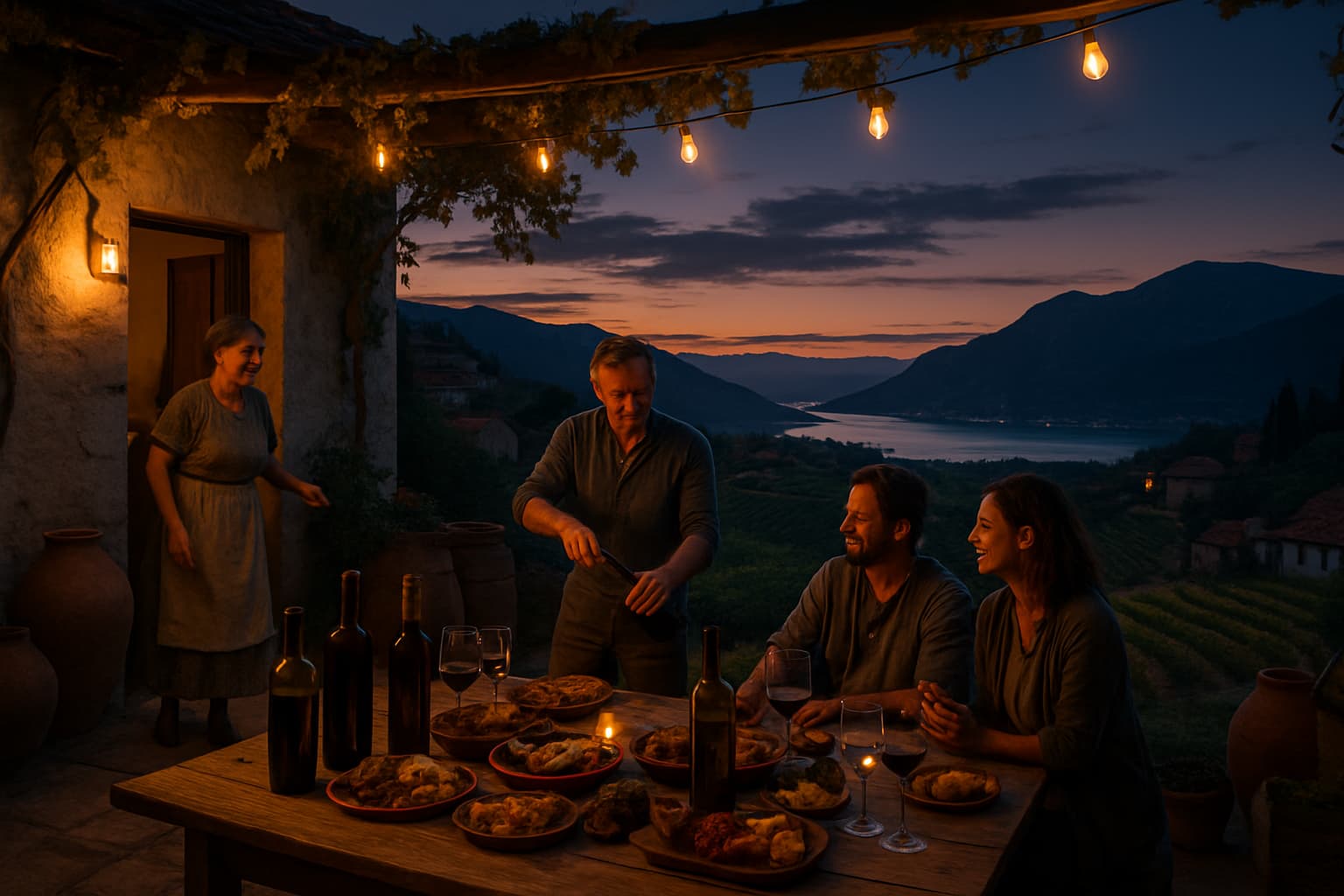
You don’t need to chase extremes—neither relentless detox nor endless indulgence. Instead, you can inhabit that lovely middle ground where pleasure and well-being hold hands and skip down a vine-lined path together.
So here’s to you, dear traveler: may your next journey to wine country offer not only beautiful bottles and memorable meals, but also deep breaths, soft pillows, and the sweet, simple joy of feeling fully present in your own skin.
Raise a glass—mindfully—and let the wellness begin.
Tannins are astringent compounds found in wine that contribute to its texture and aging potential, often causing a drying or puckering sensation in the mouth. They are derived from grape skins, seeds, and stems, as well as from oak barrels used during aging.
/ˈtænɪnz/
Malic acid is a naturally occurring organic acid found in grapes that contributes to the tart, green apple-like flavor and crispness in wine. It plays a significant role in the taste and acidity of wine.
/mælɪk ˈæsɪd/
Filtration in winemaking is the process of removing solid particles from wine to clarify and stabilize it before bottling, using various types of filters to achieve different levels of clarity and remove unwanted elements like yeast, bacteria, and sediment.
/fɪlˈtreɪʃən/
Oxidation in wine is a chemical reaction between the wine and oxygen that can change its flavor, aroma, and color. This process can be beneficial or detrimental depending on the extent and context of the exposure.
/ˌɒksɪˈdeɪʃən/
Microclimate refers to the unique climate conditions of a small, specific area within a larger region, significantly influencing grapevine growth and the characteristics of the resulting wine.
/ˈmīkrōˌklīmit/
Get weekly wine recommendations, vineyard news, and exclusive content delivered to your inbox.